Centro Espositivo Riparbella Antica — inside
Culture · Archaeology · Museum

C’ERA.
Riparbella
of old.

The Centro Espositivo Riparbella Antica — C ulture, E xperience, R esearch, A rchaeology — collects, protects and tells the story of the archaeological heritage of the Etruscan necropolis of Belora and of the whole municipality.

8 March
2025
Opening
Belora
Etruscan necropolis
~50
Finds on display
Golden
crown
The signature find
The project

A place that gives the community back its oldest roots.

The Municipality of Riparbella promotes the Centro Espositivo Riparbella Antica — C’ERA, a space devoted to protecting, promoting and sharing the historical and archaeological heritage of the area.

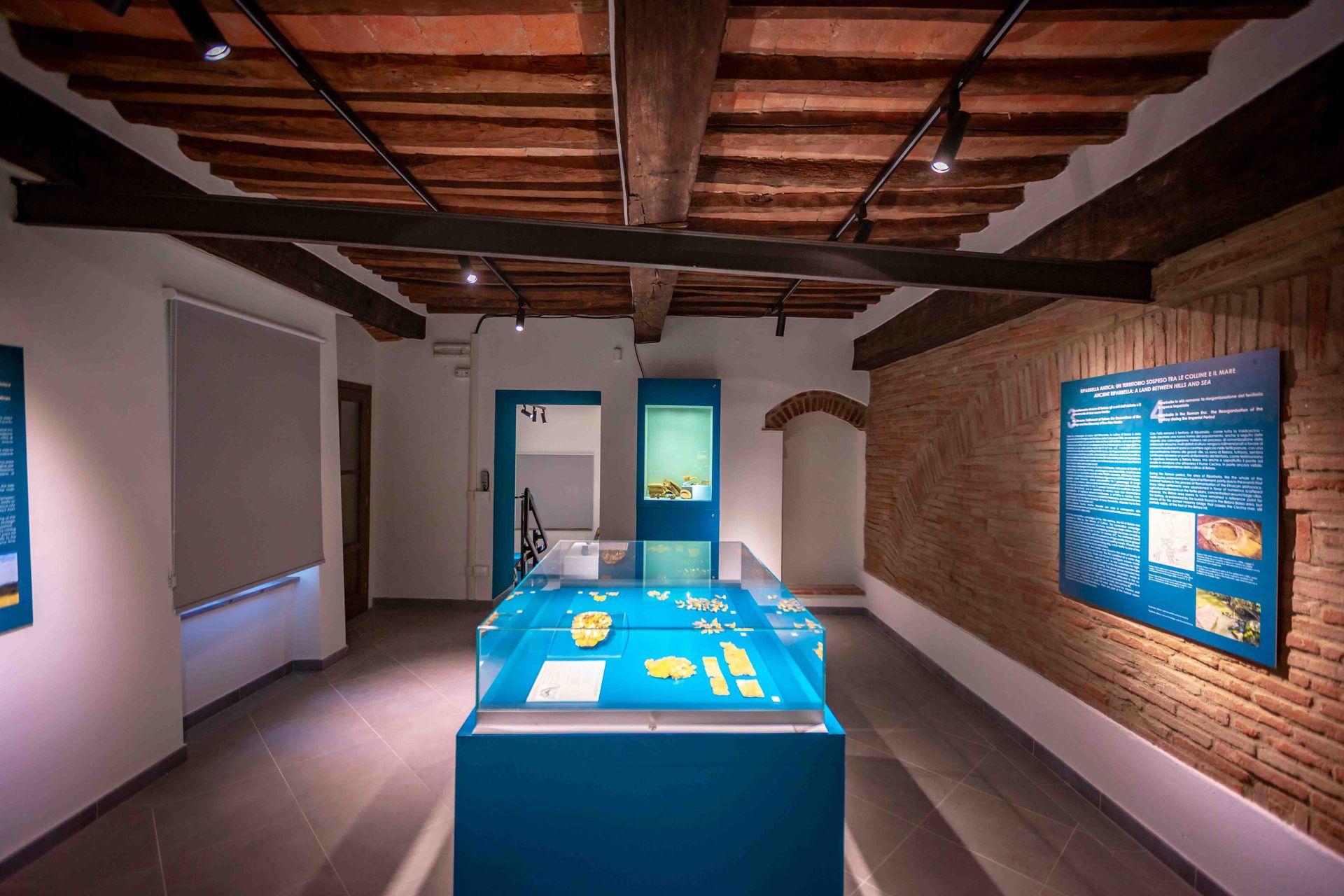
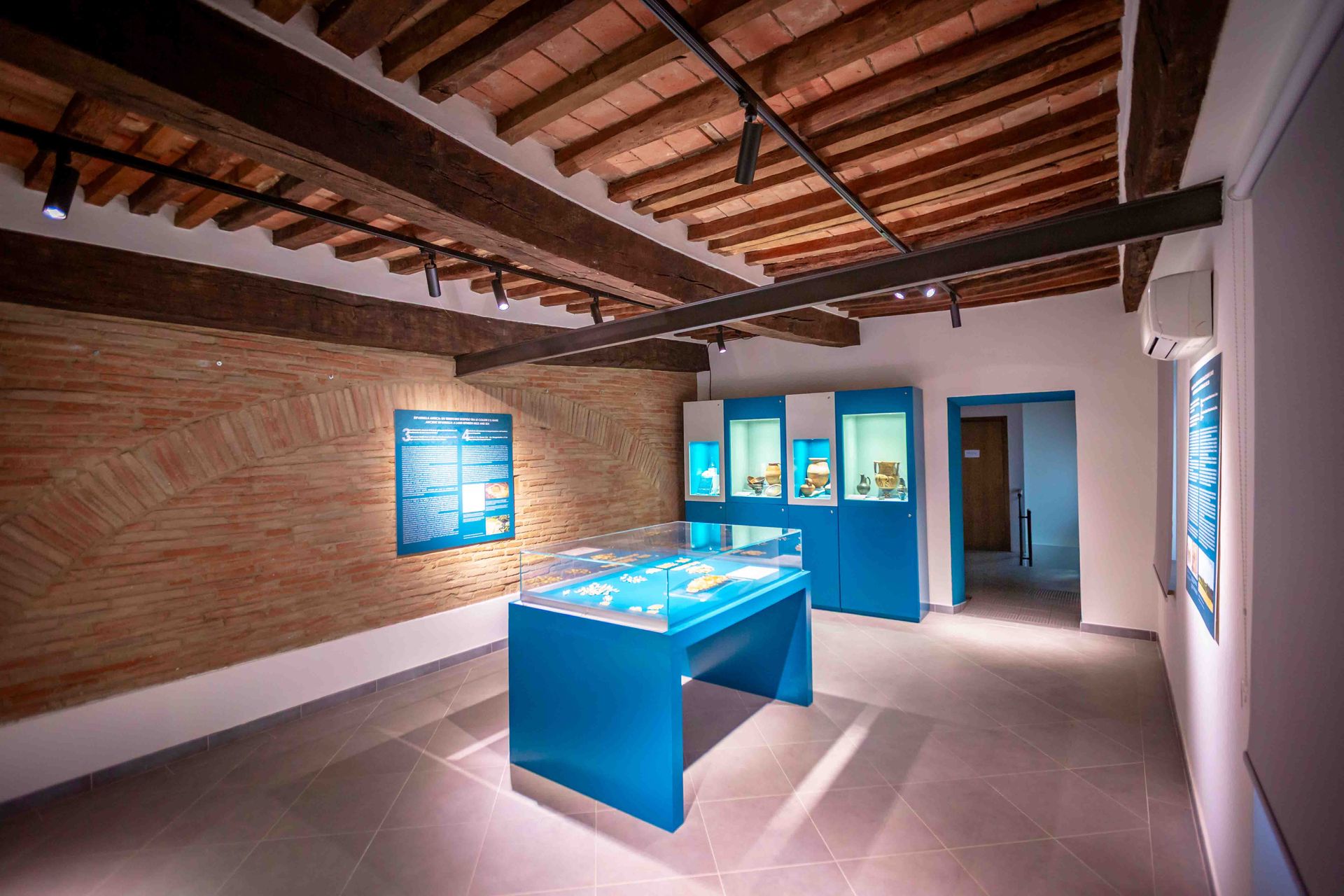
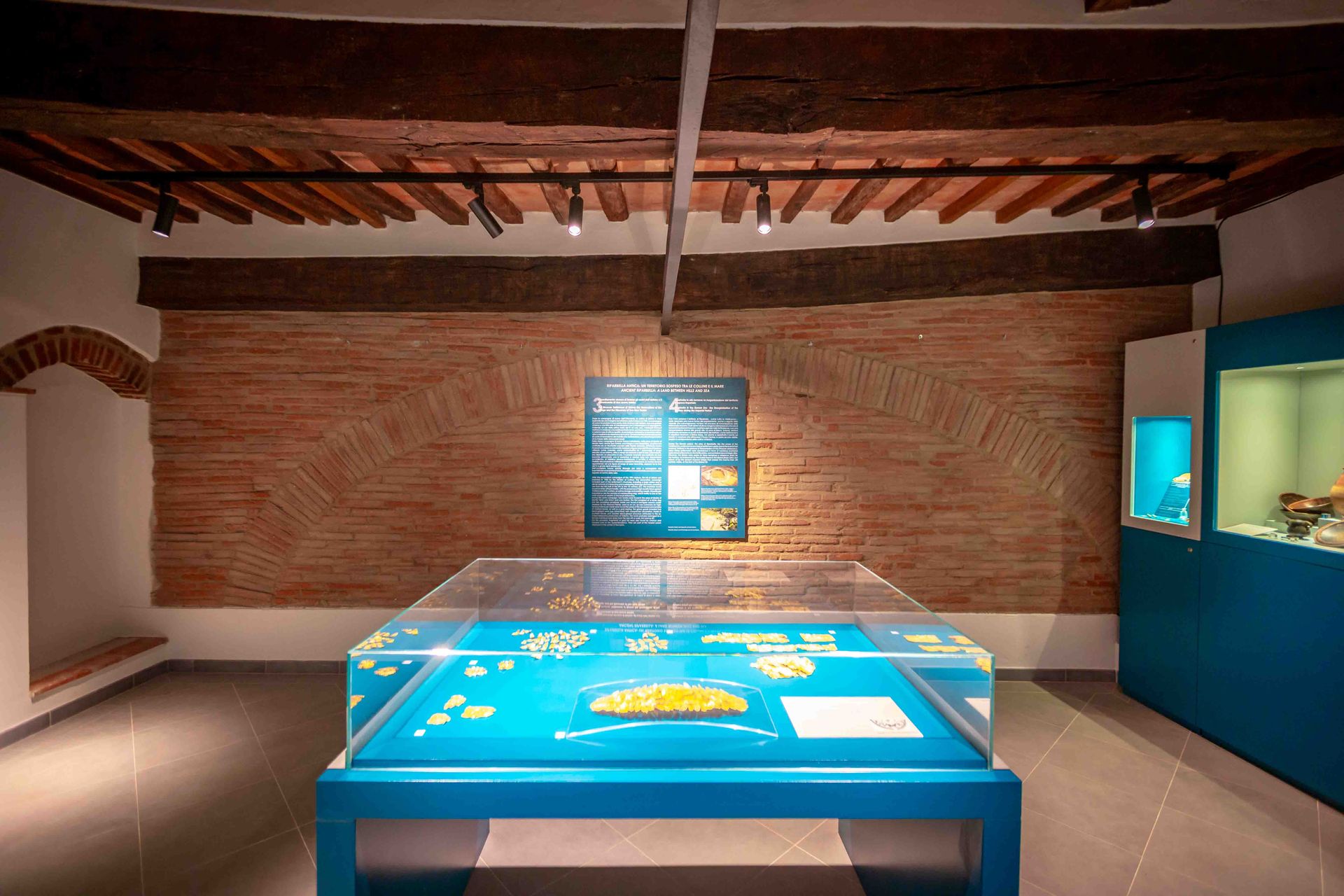
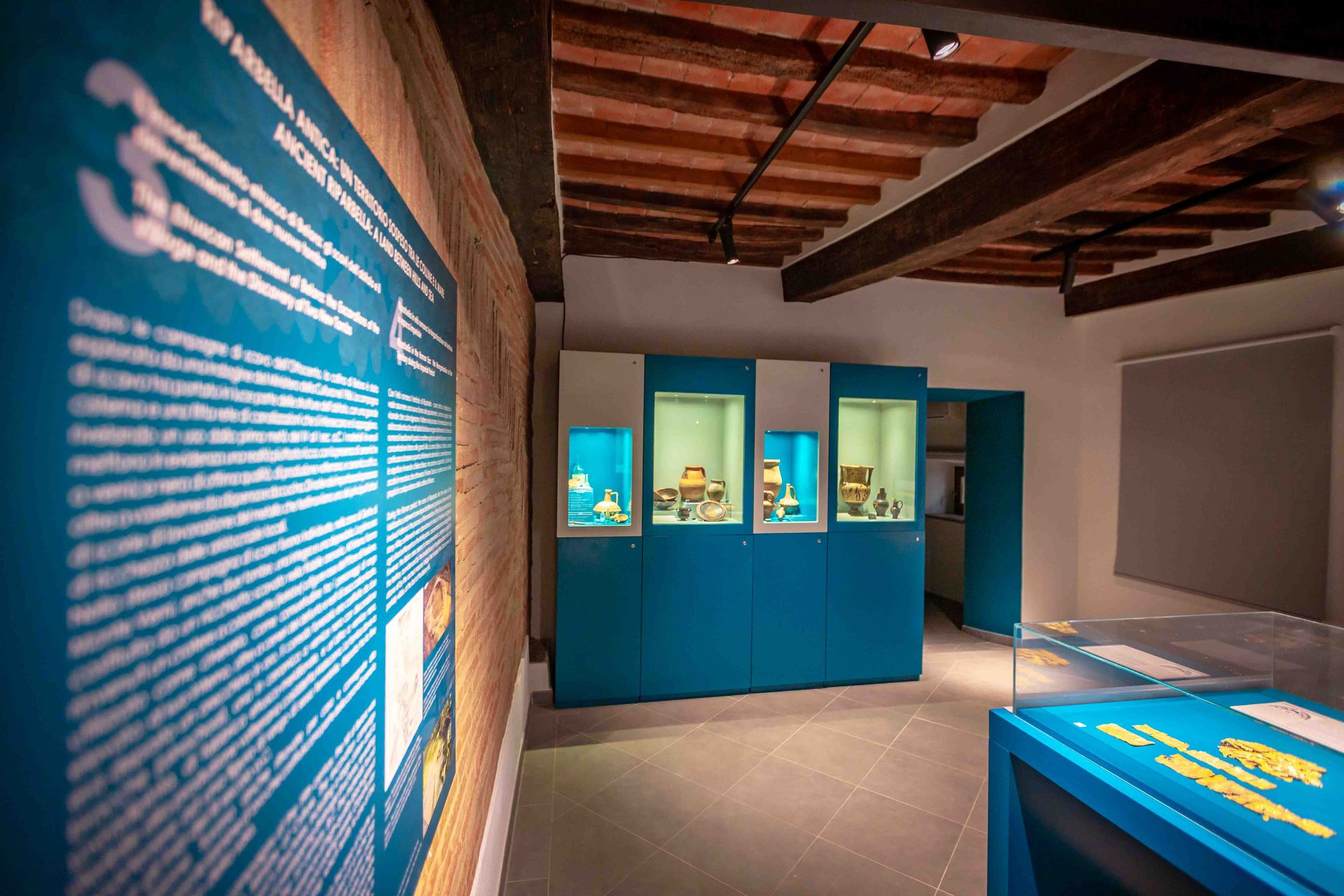
Housed in the refurbished rooms of the Municipal Library in the heart of the town, the Centre is a point of reference for local history and for rediscovering the deep bond between Riparbella, Belora and the ancient Etruscan world.

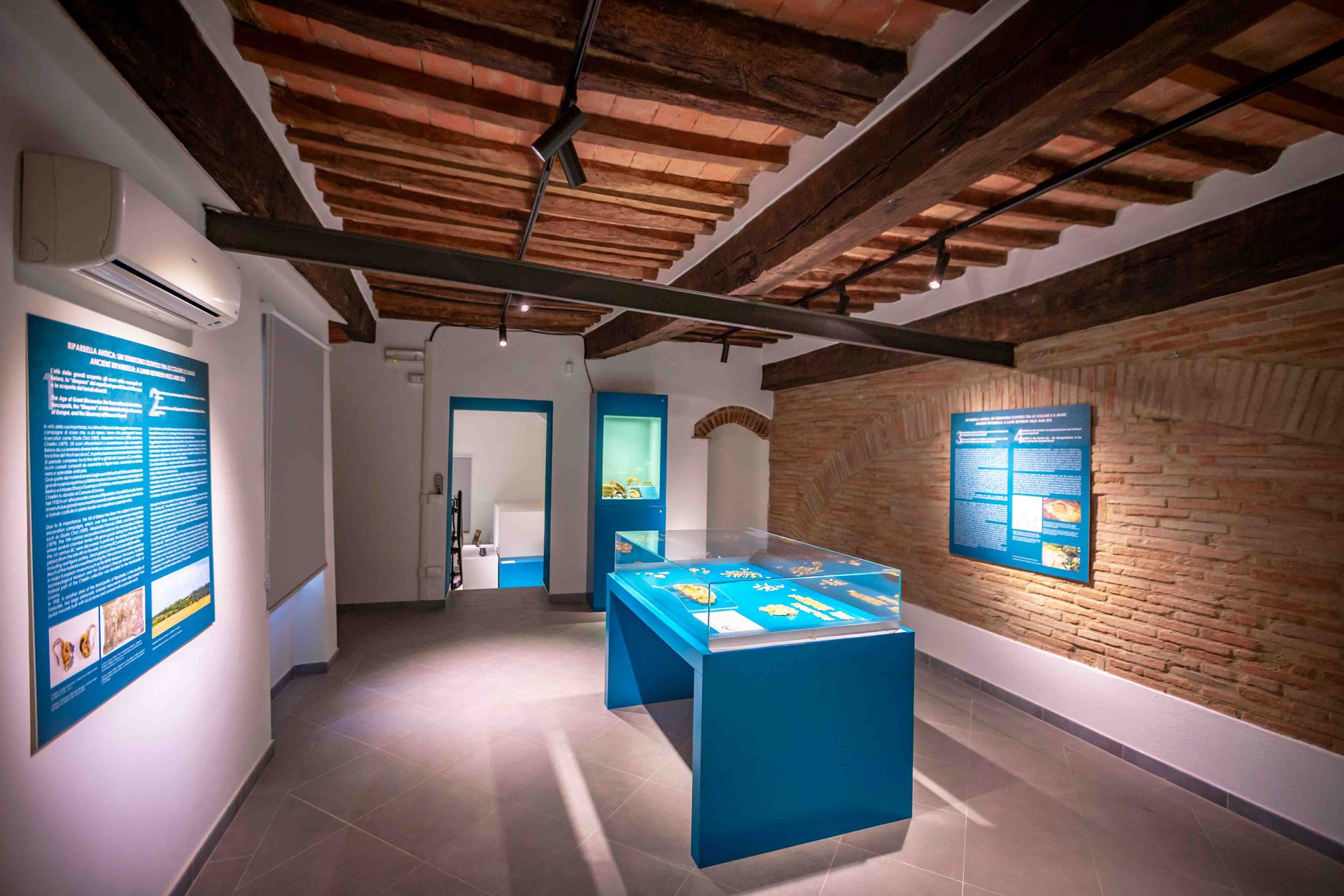
Opened on 8 March 2025 in the presence of the President of the Tuscany Region Eugenio Giani, the Superintendency for Archaeology, Fine Arts and Landscape for the Provinces of Pisa and Livorno and the mayors of neighbouring municipalities, C’ERA is a modern, accessible and engaging cultural experience — with bilingual panels (Italian / English) and multisensory routes designed for residents, schools and visitors.

The signature find

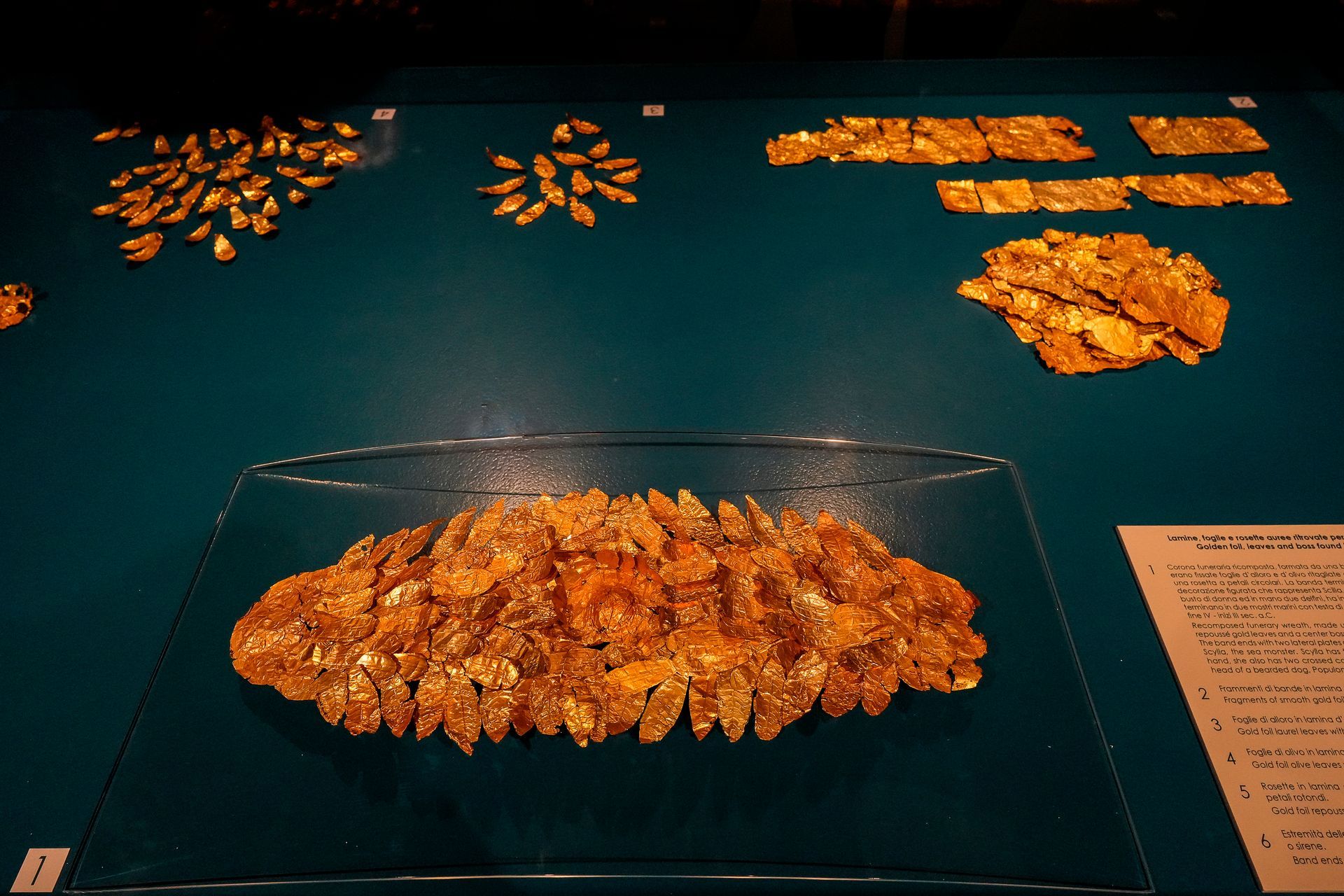
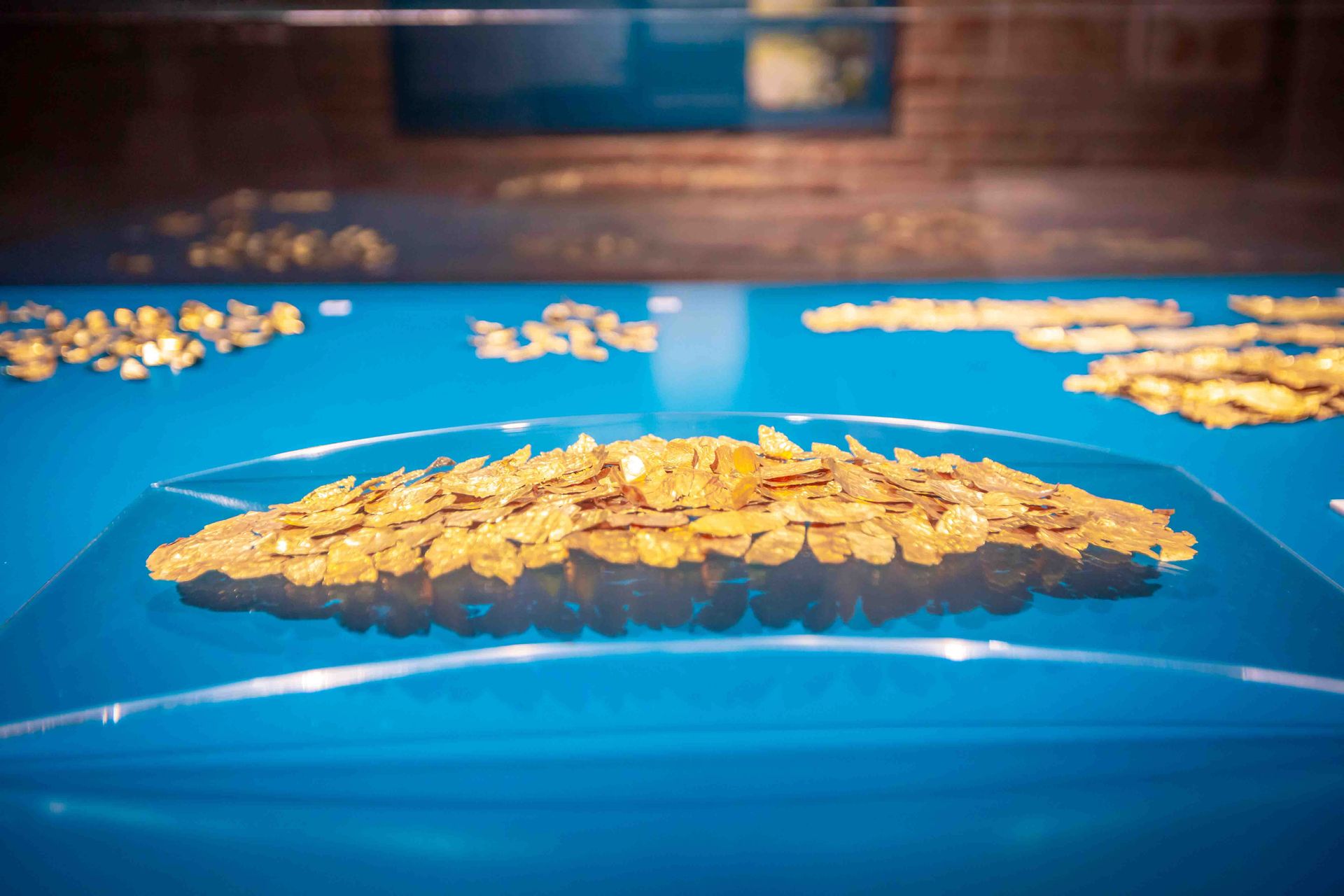
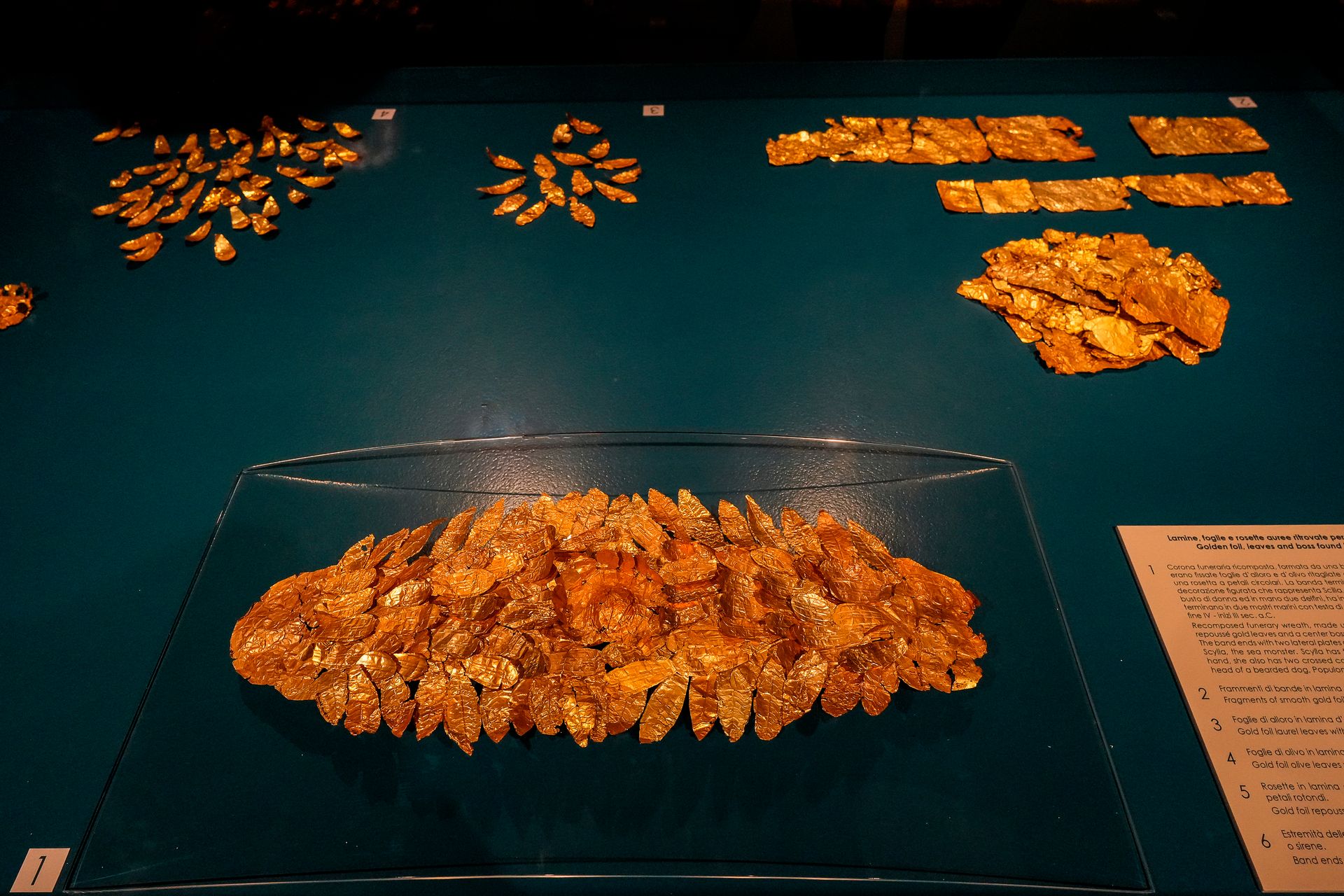
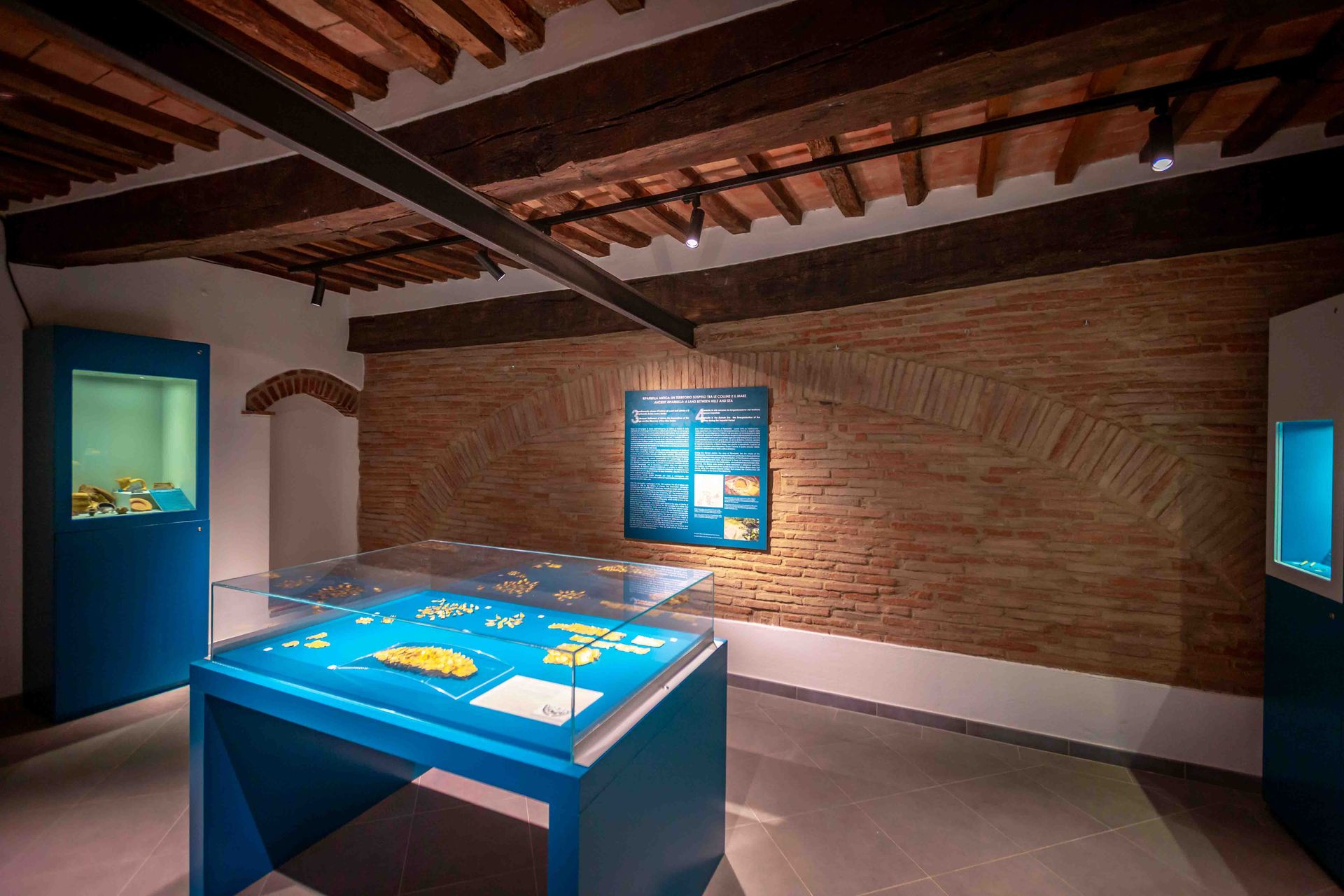
The Golden Crown
of Belora.

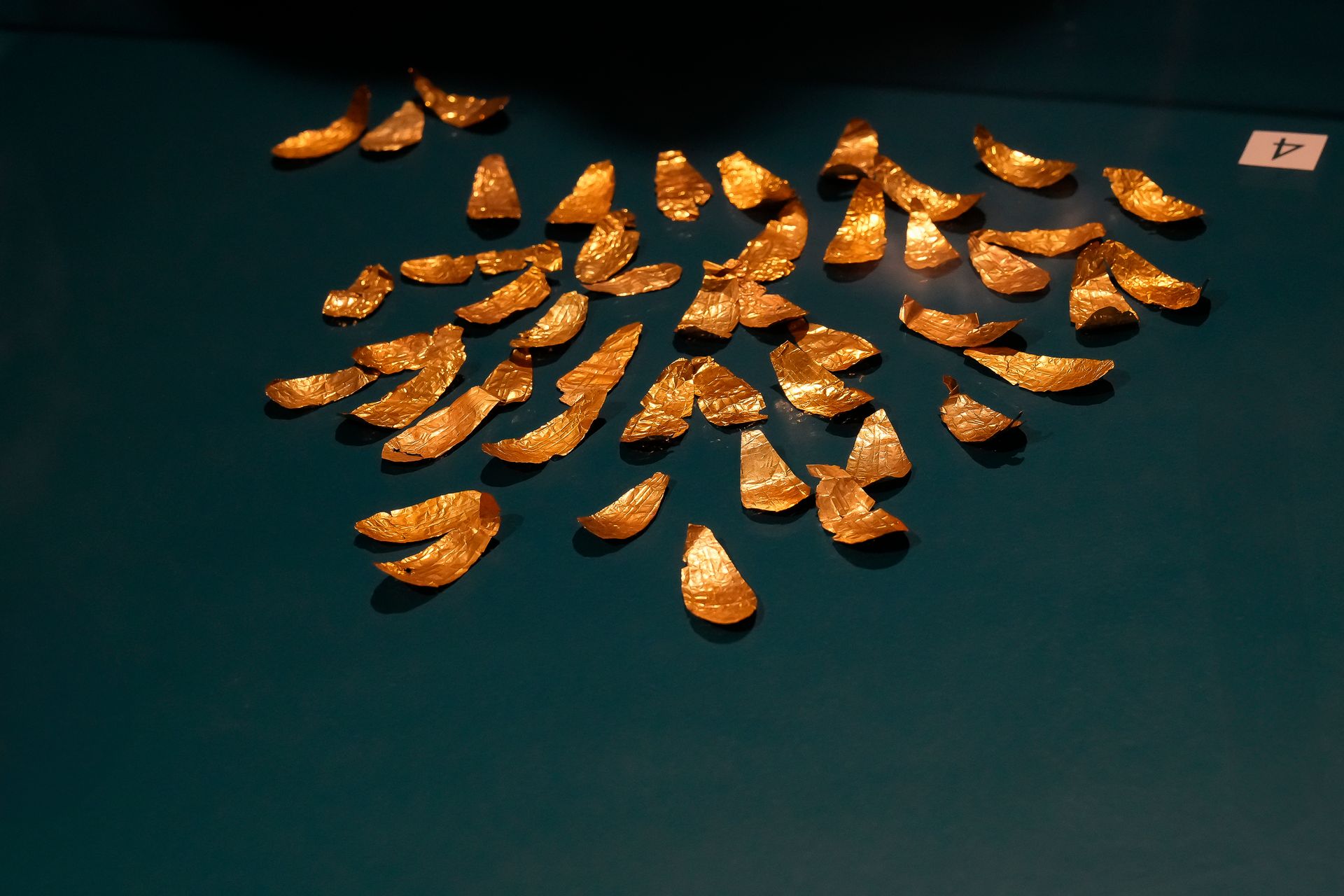
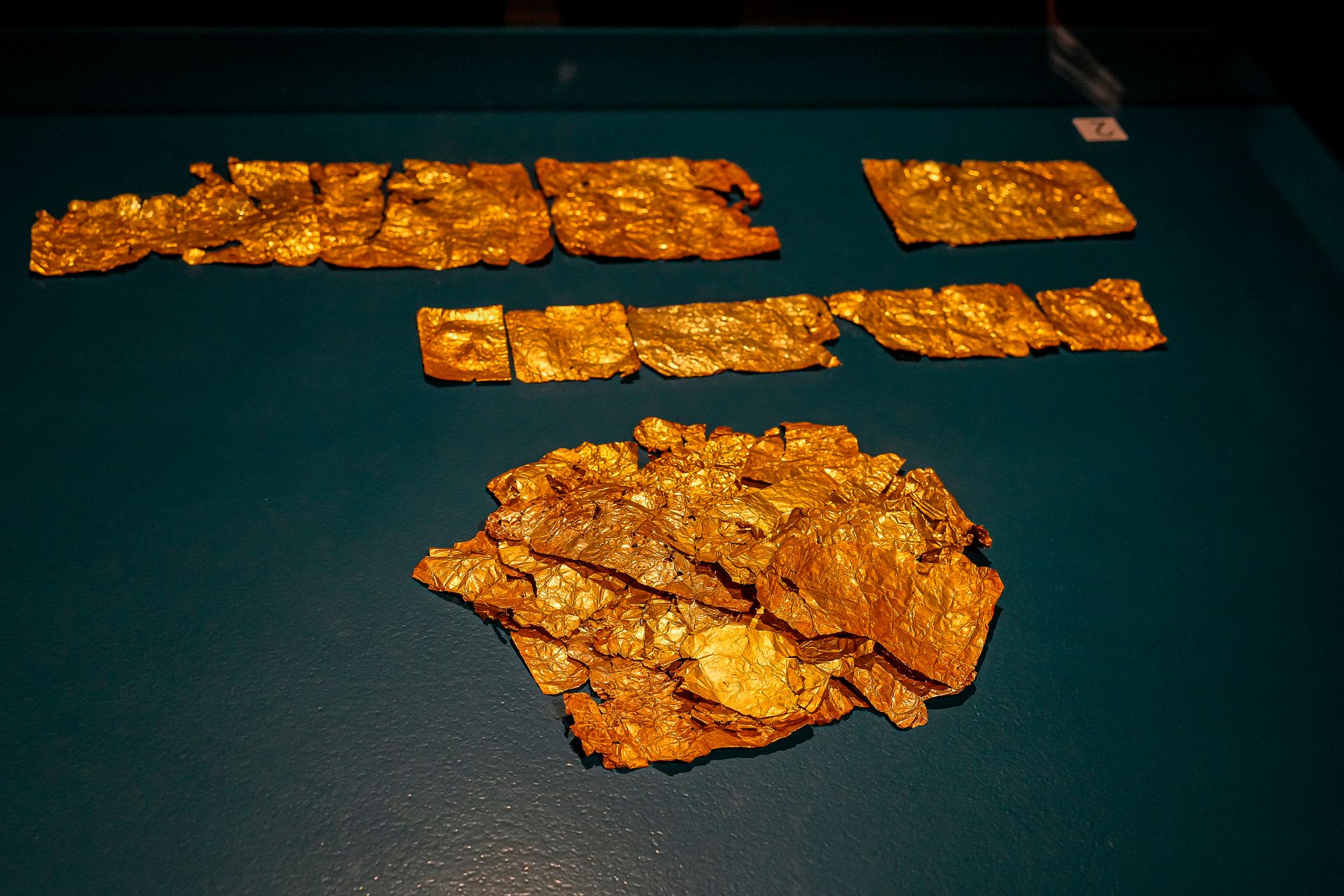
A find of exceptional historical value, put on public display for the first time — reassembled in all its parts — for the opening of C’ERA. It is made of small gold leaves (laurel and olive, in particular) set back onto a band of smooth foil, with a central many-petalled rosette and embossed plaques with themes linked to death. Initially identified as a “Golden Garment”, it turned out to be a crown of great refinement and mystery. laurel and olive ) set back onto a band of smooth foil, with a central many-petalled rosette and embossed plaques with themes linked to death. Initially identified as a “Golden Garment”, it turned out to be a crown of great refinement and mystery.

Provenance Necropolis of Belora
Period Hellenistic
Discovery 1986, by chance
The collection

Belora
and its treasures.

The necropolis of Belora, an Etruscan settlement founded by the people of Volterra beside the river Cecina, reveals a refined community, part of a significant cultural and trading network. The site has been known since the 1700s and has seen more than two centuries of excavation campaigns.

i.

Necropolis

Tombs and burial chambers that testify to a structured Etruscan community, with defined rites and hierarchies. Nineteenth-century finds from the necropolis are today part of the Chiellini collection in Livorno and of various European museums.

ii.

Grave goods

Among the most significant pieces is the complete set of women’s grave goods found in 1986 in a tomb cut into the rock: confirmation of Belora’s upper-middle wealth and of its role as a crucial hub in the area.

iii.

Gold jewellery

Ornaments in gold and precious materials, foremost among them the famous Golden Crown: proof of the refined Etruscan goldsmithing present in the area and of the eye for beauty that characterised Etruscan society.

iv.

Bronzes

Artefacts that document advanced metalworking skills and Belora’s integration into the trade of the ancient Mediterranean, along the Val di Cecina and the Tyrrhenian coast.

v.

Ceramics

Vases, amphorae and containers that speak of tastes, production techniques and relations with the great Etruscan and Magna Graecia centres. Some reproductions can be handled, on a tactile route designed with blind and partially sighted visitors in mind.

vi.

Upper and lower Belora

Objects from the two areas of the site, among them oil lamps, glass unguent jars and a rare rock crystal unguent jar. Some of the finds are on loan from the Archaeological Museum of Cecina and will be displayed in rotation.

"

C’ERA will not be just a museum, but a place of storytelling and encounter, where past and present intertwine and talk to one another. An ambitious project with its roots in the past, looking towards the future.

— Salvatore Neri, Mayor of Riparbella
The display

An accessible museum: educational ,
and innovative.

Designed by the archaeologist Fabrizio Burchianti in partnership with the Superintendency, C’ERA is a living space for education, knowledge and participation, conceived to make heritage understandable and close to many different audiences.

i

Cases and cabinets

A carefully curated display of around 50 finds, part of a rotation that will also draw on the holdings of the Museum of Cecina and — in due course — on the Chiellini collection in Livorno.

ii

Multimedia & audio

An introductory video with audio narration (accessible to blind and partially sighted visitors too), digital content and interactive material along the route.

iii

Tactile experience

A tactile section lets you handle reproductions of some of the vases found in the necropolis of Belora — and, during workshops for children, try out the technique of stamping gold foil.

iv

Bilingual panels

All the panels are in Italian and English, with constant attention to accessibility for schools, families and international visitors.

The thread

The area
through time.

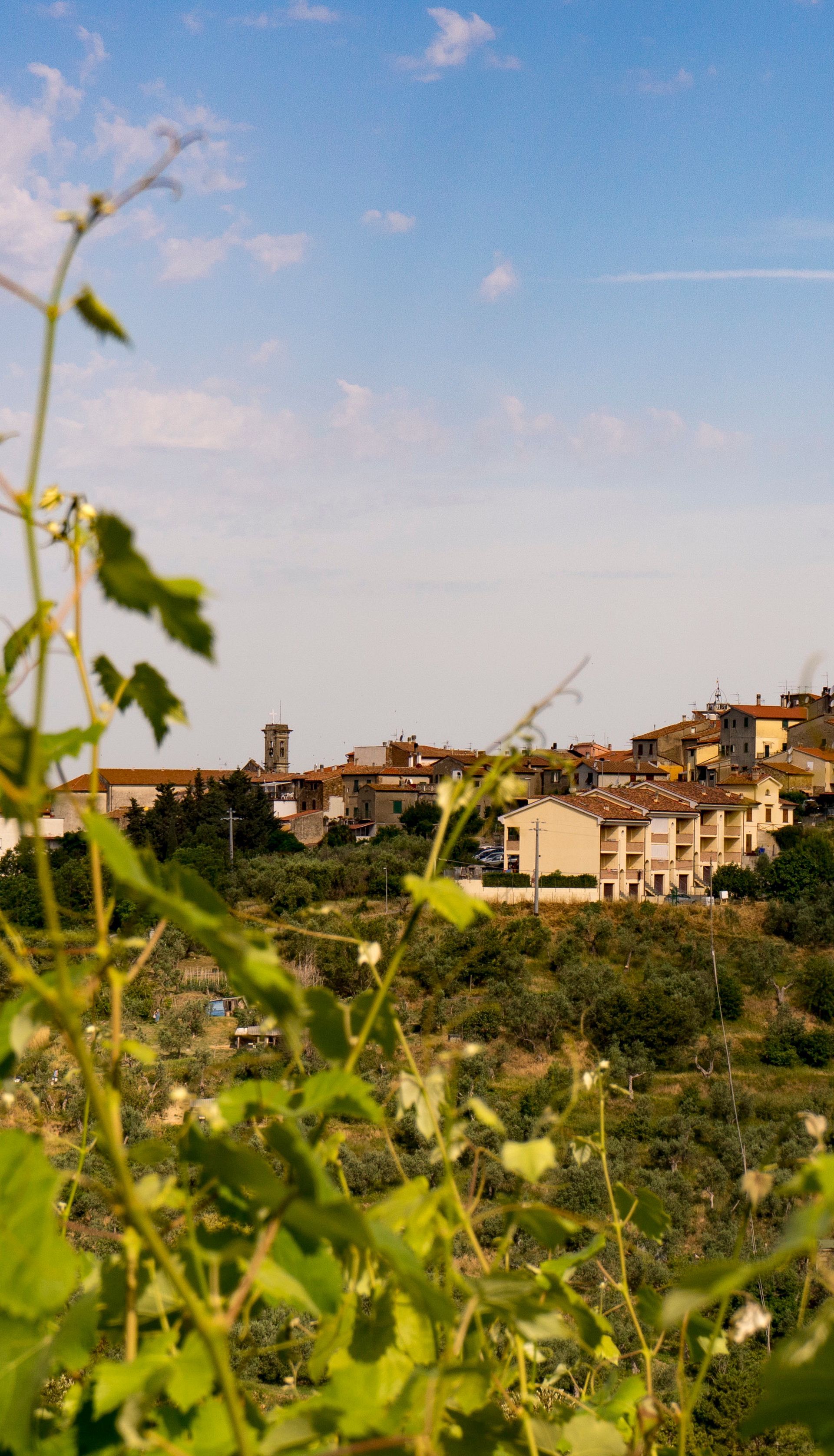
Belora tells the story of an area crossed by many eras, from the Etruscan presence to the medieval history of the town of Riparbella. A layering that the Centre conveys through finds, reconstructions and storytelling.

Etruscan age

The founding of Belora

An Etruscan settlement founded by the people of Volterra on the slope running from the river Cecina towards the sea, in a strategic position along the routes of the Val di Cecina. A wealthy, sophisticated community, part of the cultural and trading networks of the ancient Mediterranean.

Hellenistic period

The Golden Crown

The extraordinary Golden Crown dates from this period: gold laurel and olive leaves, a central rosette, embossed plaques with themes linked to death. It bears witness to goldsmithing of the very highest quality and to the ritual importance of grave goods.

Nineteenth century

The first discoveries

The archaeological site of Belora, already known since the 1700s, was systematically explored in the nineteenth century. Many finds ended up in the Chiellini collection in Livorno and later in major European museums.

1986

The chance discovery

A “lump of earth with flakes and sheets of gold” came to light by chance at Belora. The Superintendency of Pisa acquired it and began the study that, decades later, would lead to the complete reassembly of the Golden Crown. The same campaign identified a settlement and a tomb with a complete set of women’s grave goods.

2025

The opening of C’ERA

On 8 March 2025 the Exhibition Centre opened its doors to the public in the refurbished rooms of the Municipal Library, with the Golden Crown finally assembled and visible for the first time in all its splendour.

A network of support

A project made possible
by working together.

C’ERA is the result of a joint effort between institutions, funding bodies and patrons who believe in protecting and promoting local cultural heritage.

Funding body

GAL Etruria
& Tuscany Region

Support through the call for projects 7.6.2 for the regeneration and enhancement of cultural heritage, promoted by the Tuscany Region through GAL Etruria, made it possible to give the Centre concrete shape.

Scientific oversight

Superintendency

The Superintendency for Archaeology, Fine Arts and Landscape for the Provinces of Pisa and Livorno followed every stage of the project closely, guaranteeing the scientific quality of the exhibition.

Cultural patronage

Art Bonus

The residents who contributed financially to the new excavations through the Art Bonus scheme have made Riparbella’s archaeological heritage something truly shared.