The Hilltop Town — Visit Riparbella
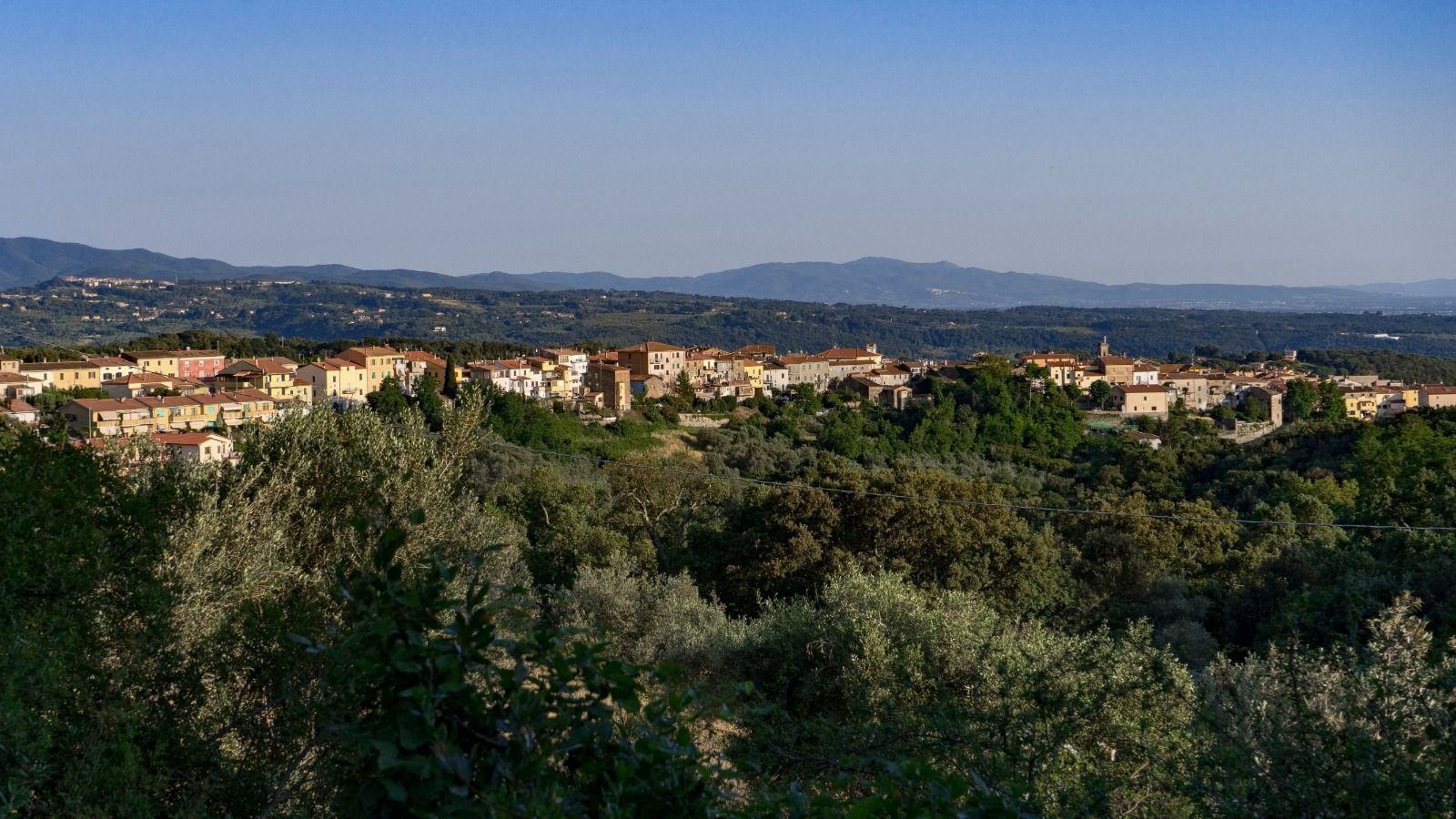
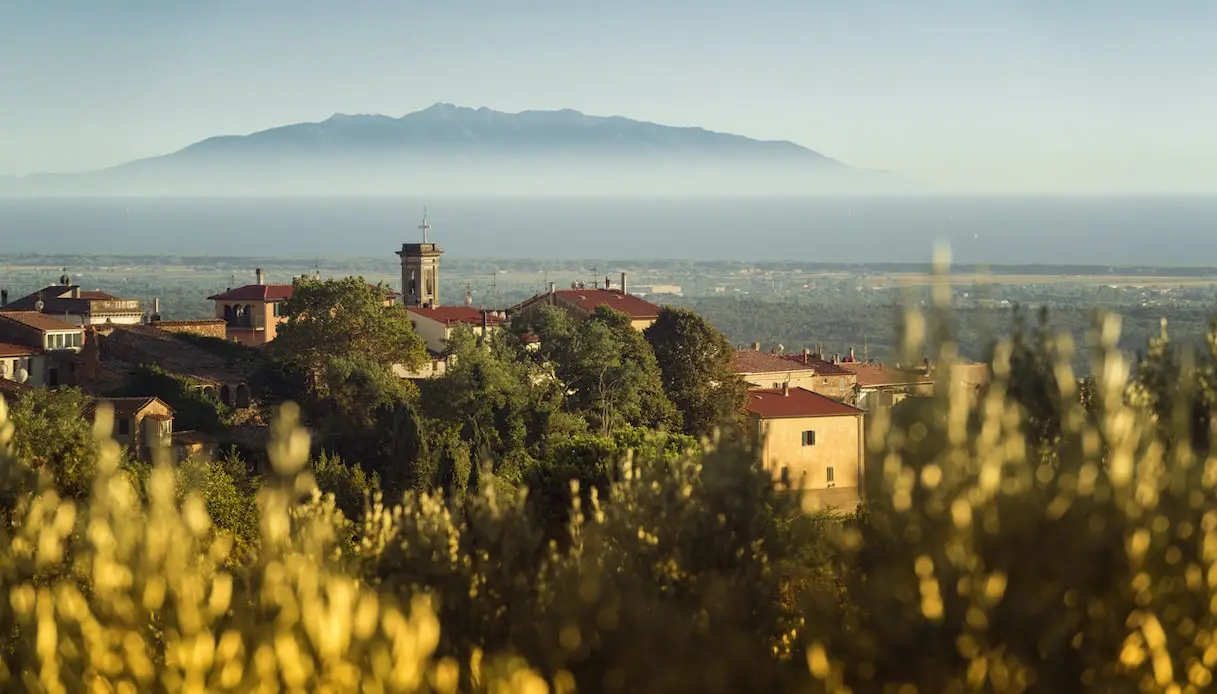
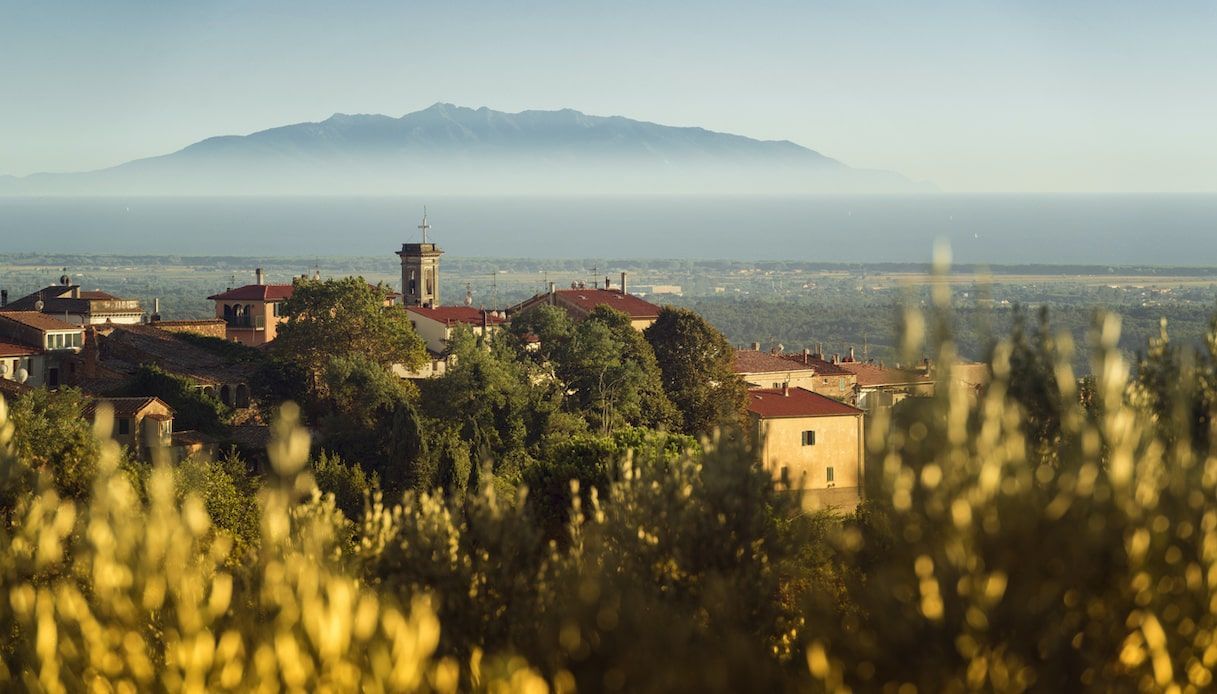
A view of the town of Riparbella
Identity · History · Architecture

The hilltop town.

A thousand years of history on a ridge of white tufa, between the hills of Pisa and the sea of the Etruscan Coast.

1034 First mention
216 m Elevation
1.692 Inhabitants (2026)
1635 Marquisate
A linear
town

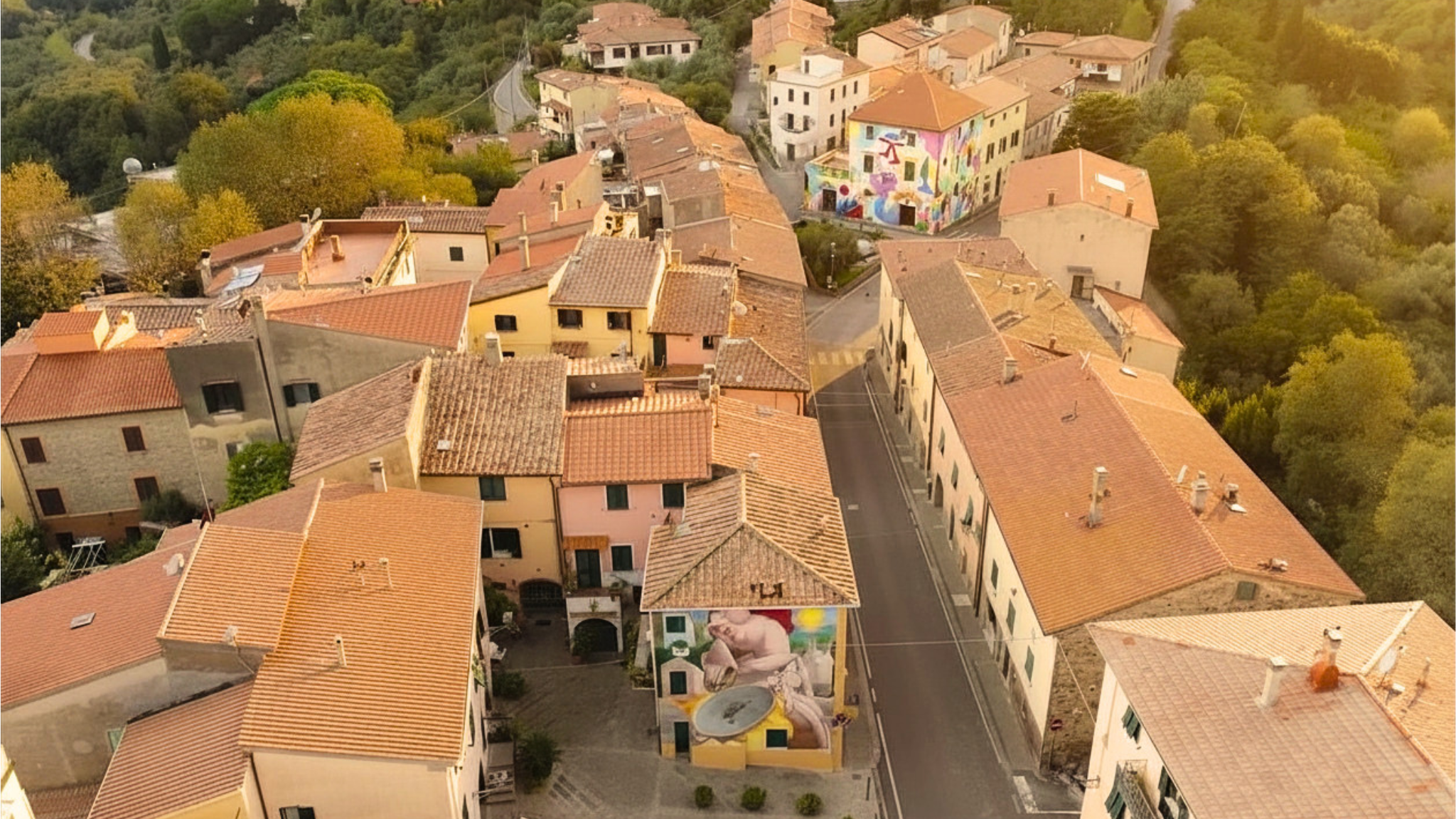
Riparbella does not have the circular shape of the other towns in the area: it grew lengthwise , along the road that runs on the crest of a hill ridge.

A geography of passage, between the hills of Pisa and the sea, between the Etruscan hinterland of Volterra and the Etruscan Coast.

A view of the Riparbella ridge
Panoramic view of Riparbella from above

«On the southern slopes of the Poggio di Nocola, 216 metres above sea level.»

Milestones in its history

Almost three thousand years
in ten moments.

7th–2nd century BC Etruscan period

The Etruscans at Belora

On the hill of Belora, close to the river Cecina, stood an Etruscan settlement founded by Volterra. Known since the eighteenth century, the site was investigated in the nineteenth by Giusto Cinci of Volterra, Alphonse Francois and the Chiellini family; the finds are today scattered between the Guarnacci Museum in Volterra, various European museums and the Hermitage in Saint Petersburg. The only modern excavation campaign dates from 1986, when a settlement also came to light.
Year 1000 Middle Ages

The castle of the Counts della Gherardesca

The old town came into being around the year 1000, growing up around the castle built by the Counts della Gherardesca, who also controlled the smaller fortifications of Belora and Bovecchio. Unlike the neighbouring towns, Riparbella did not close in a circle around the fortress but grew lengthwise , along the road on the ridge.

1034 First mention

Ripa Albella

The place name appears for the first time in a bull issued by Guido, bishop of Volterra. Ripa Albella — “white bank” — from the tufa-and-sand colour of the ridge on which the town stands.

1157 Archbishopric of Pisa

Through testamentary bequests

Riparbella passed into the estate of the Archbishopric of Pisa through testamentary bequests. For two and a half centuries it remained under Pisan jurisdiction, both secular and ecclesiastical.

1406 Florentine rule

Under the Republic of Florence

On 21 March 1406, during the Florentine siege of Pisa, Riparbella surrendered to Florence — little more than six months before Pisa itself fell. So began a long period under Florentine rule, punctuated by periodic revolts.

1477 Destruction

The Florence–Aragon war

During the war between Florence and the troops of Alfonso of Aragon, king of Naples, Riparbella was completely destroyed. The following year the Florentines reconquered the town and razed what was left of the castle. Between 1494 and 1508, during the Italian Wars, the town briefly made itself independent of Florence.

1635 Marquisate

The Carlotti Marquisate

Grand Duke Ferdinando II de’ Medici raised Riparbella to a marquisate and granted it to the Veronese nobleman Andrea Carlotti, a knight of Santo Stefano. In 1737, on the death of the last Medici, the Carlotti heirs passed the title to Carlo Ginori, who held it until the Leopoldine reforms.

1755 End of feudalism

An autonomous community

With the end of feudalism and then with the Leopoldine reforms of the late eighteenth century, Riparbella became an autonomous community. At the end of the nineteenth century the districts of Collemezzano and La Cinquantina were separated off and annexed to the neighbouring municipality of Cecina.

1841–45 Nineteenth century

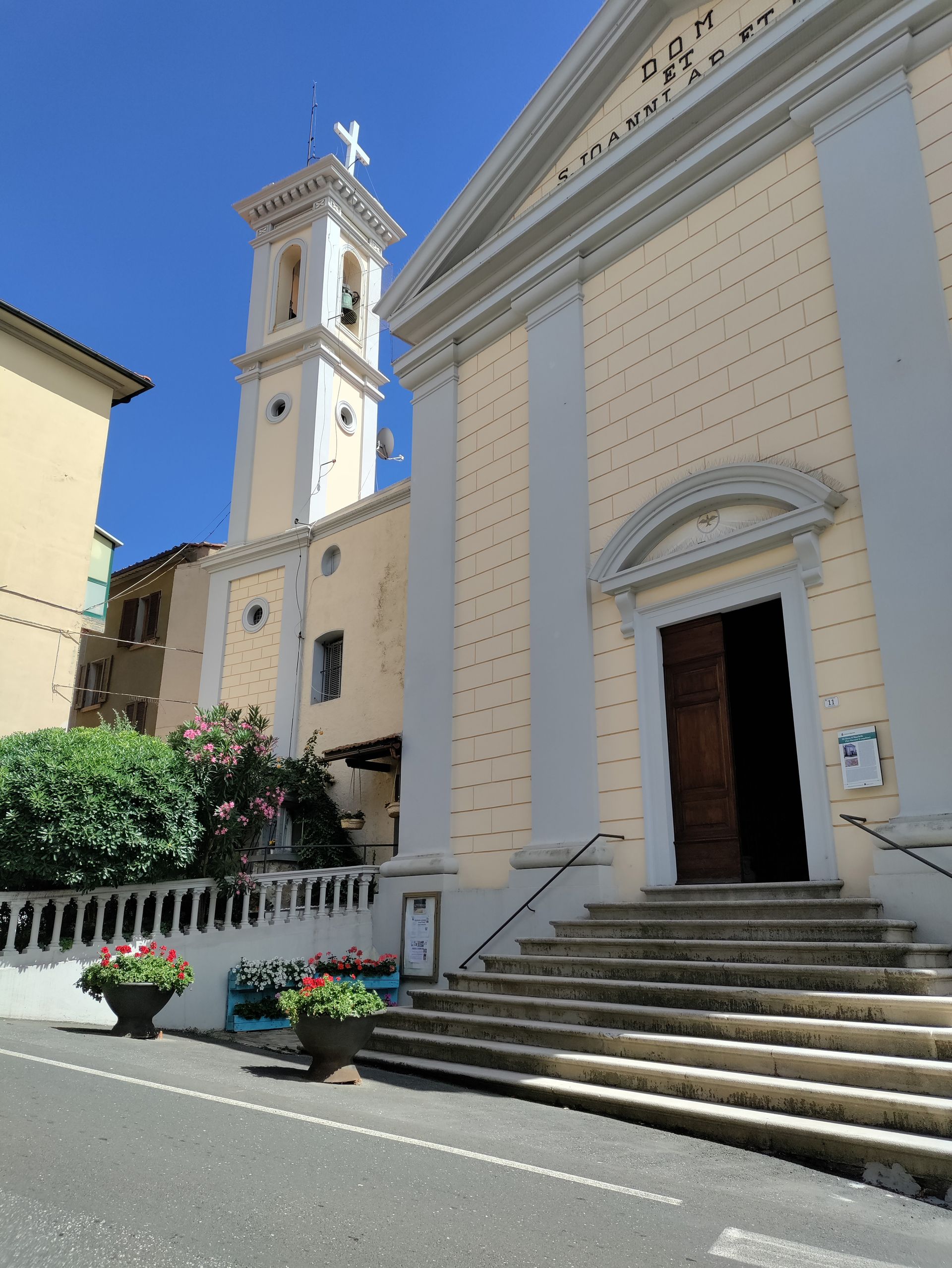
The new parish church

Between 1841 and 1845 the Church of San Giovanni Evangelista was built on the site of an earlier church, of which only the bell tower remains. Damaged by the earthquake of 1846, consecrated in 1877, seriously damaged by a cannon shot in 1944 and completely restored in the 1970s.

Today The present day

A hilltop town reinventing itself

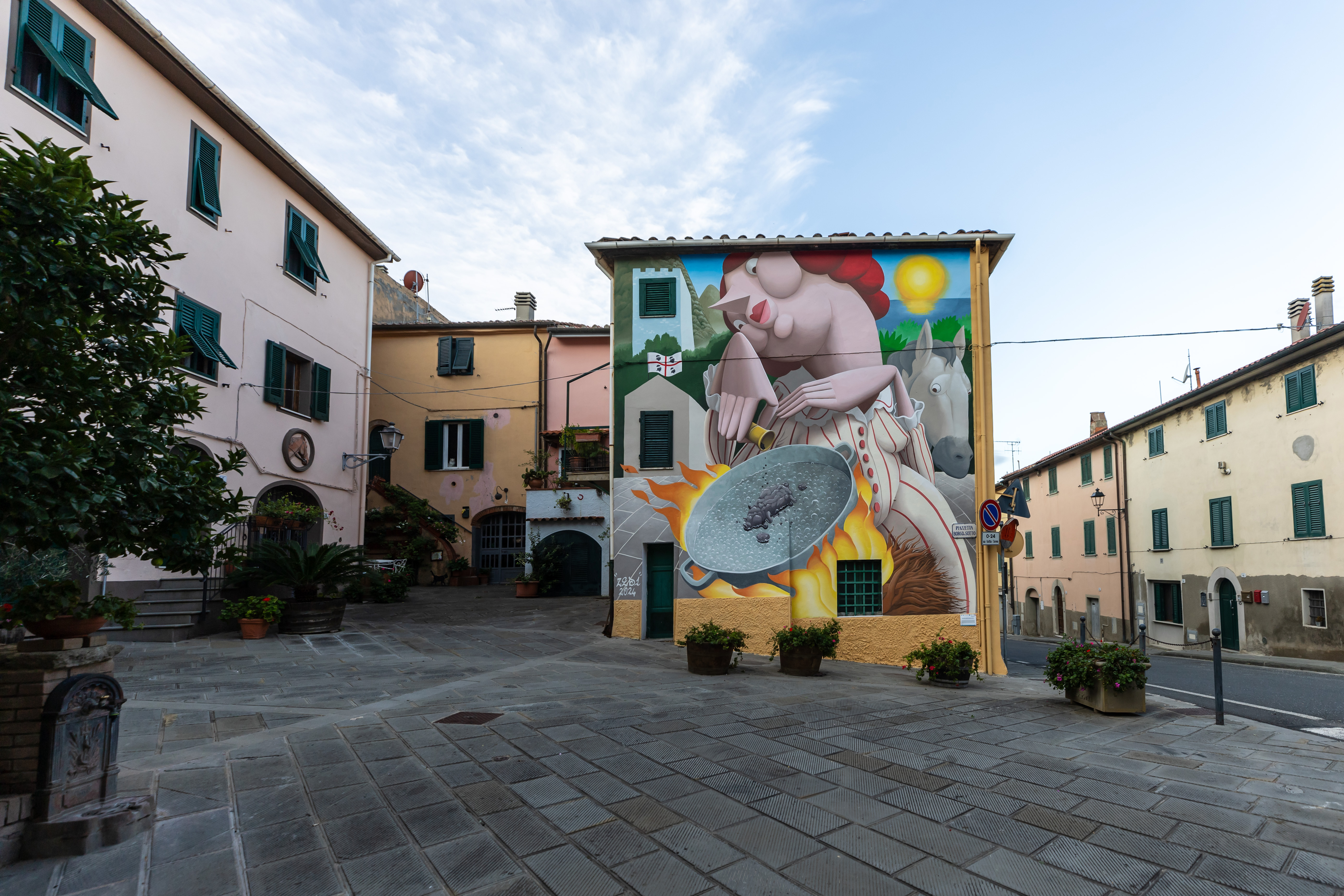
Urban art on the walls, internationally recognised wineries, slow tourism. On 8 March 2025 C’ERA — Centro Espositivo Riparbella Antica opened in the rooms of the municipal library, displaying a selection of some fifty finds from the Etruscan site of Belora, among them the golden crown reassembled in 2025.

The tufa ridge of the town
Etymology

The meaning of
Riparbella.

Ripa Albella

“White bank”: the name refers to the whitish colour of the ridge of tufa and sand on which the town stands. A geography that became an identity, recorded in documents from 1034 onwards.

From the Latin
Ripa Albella
Meaning
“White bank”
First recorded
Year 1034
Historical variants
Ripalbella, Ripa Bella