

The wineries.
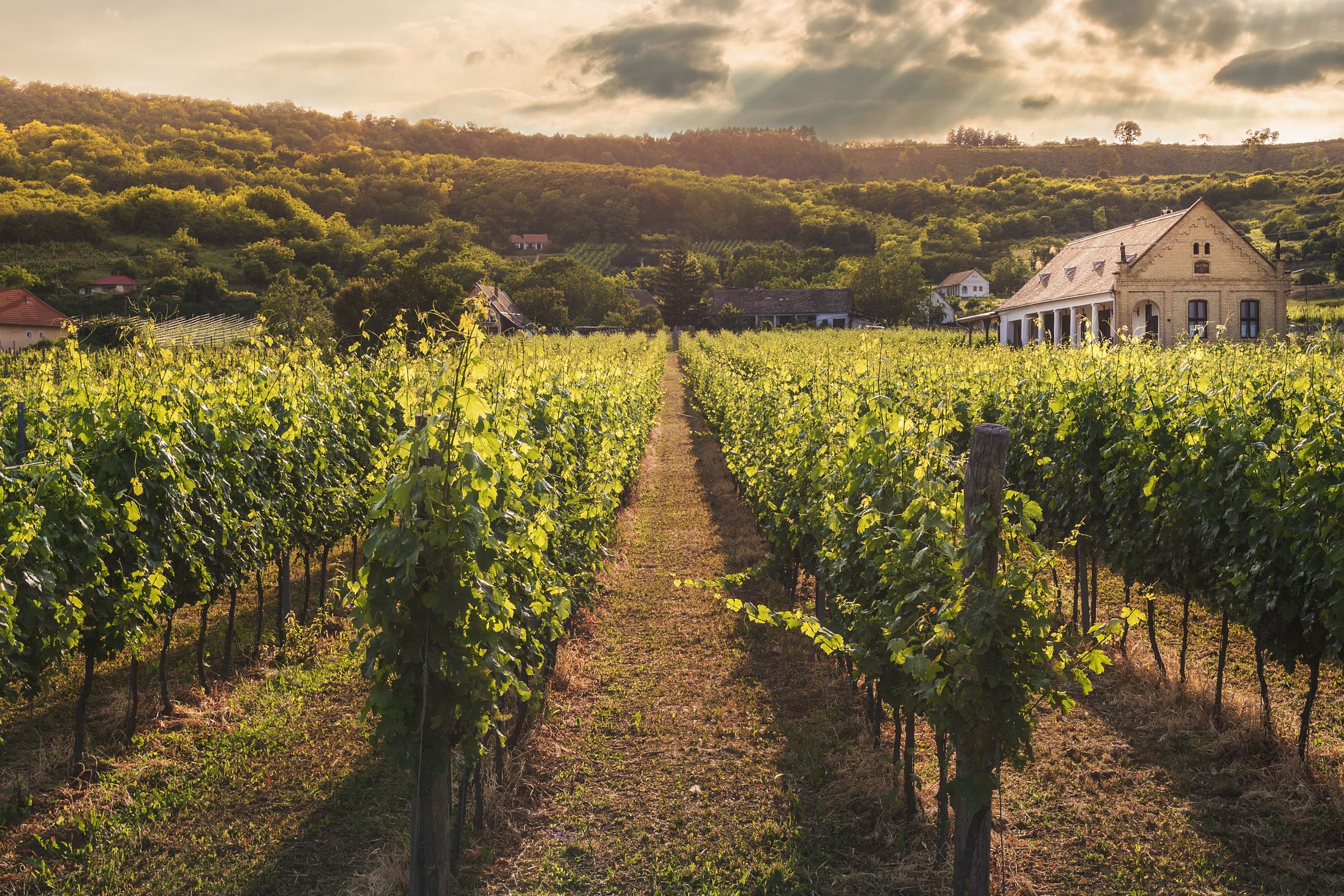
Nine wineries on the hills. One hundred and fifty hectares of vineyards. Half a million bottles a year. Riparbella is today one of the most serious emerging terroirs on the Tuscan coast.
terroir
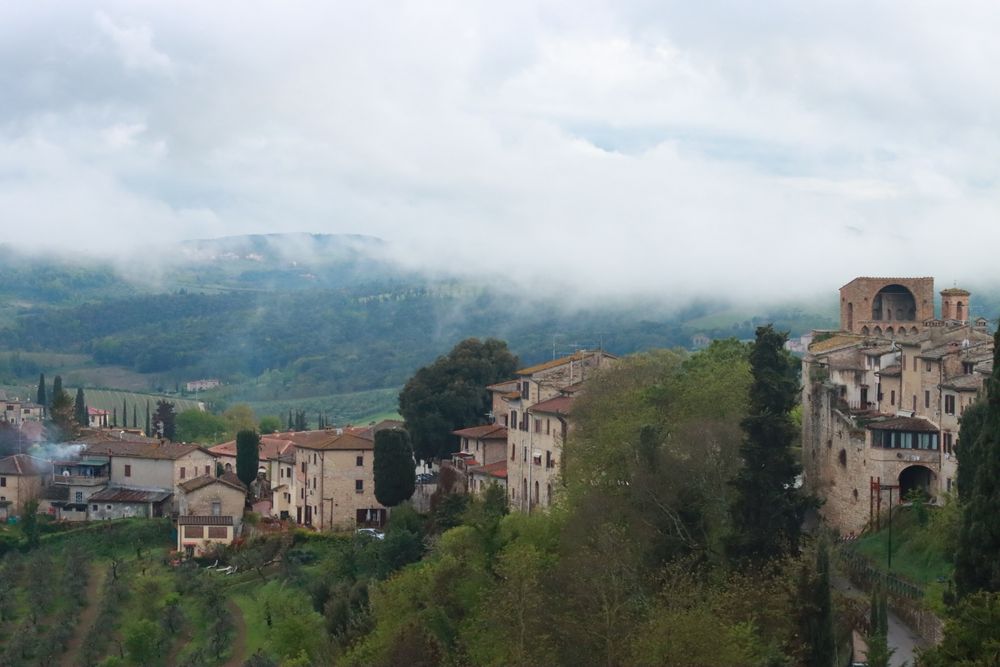
Eleven kilometres from the sea, fifteen from Bolgheri. Over the last thirty years the hills of Riparbella have gone from a place you drove through to one of the most interesting wine areas on the Tuscan coast.
Nine wineries bring these hills to life today, at altitudes from 50 to 450 metres: from the international biodynamics of Caiarossa and Duemani to the completely natural wines of Quercialuce , from the highest vineyard on the Tuscan coast at Prima Pietra to the traditional-method sparkling wines of Podere La Regola.
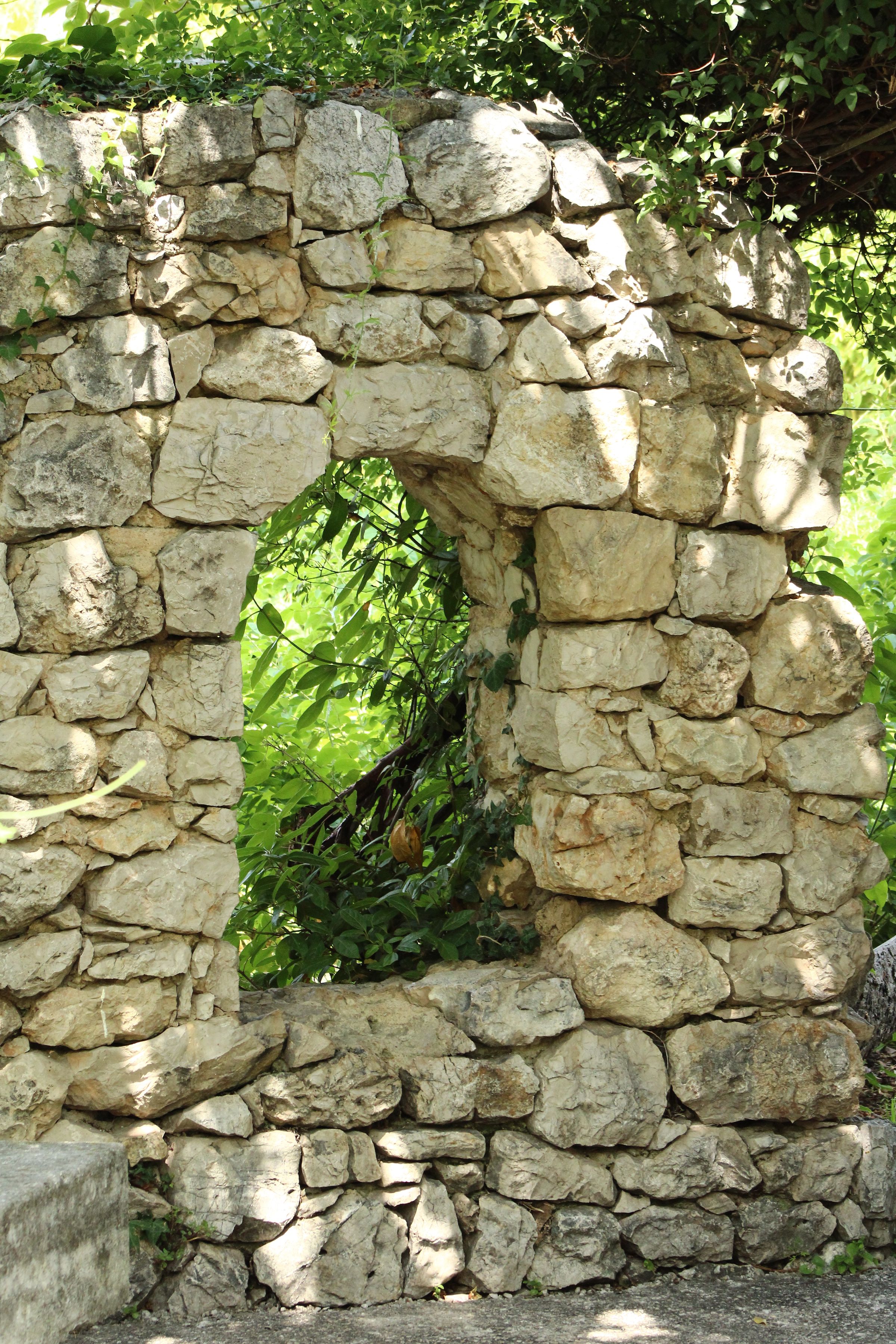
«Riparbella is unique in the sheer variety of its soil types.»
The winegrowers
of the hills.
The nine wineries that bring the hills of Riparbella to life today. Almost all of them organic or biodynamic. Almost all open to visitors — always by appointment.

Podere La Regola
The first winery to believe in the terroir of Riparbella. Five generations of the Nuti family, but it was in 1990 that Luca Nuti, an agriculture graduate, turned the small late-nineteenth-century plot into a wine estate. Today 26 hectares, organic since 2015, with oenologist Luca Rettondini. Iconic wines such as La Regola, Lauro and the traditional-method sparkling L’Eccezione, made in an eco-friendly winery whose underground barrel cellar is frescoed by the artist Stefano Tonelli.
Discover the winery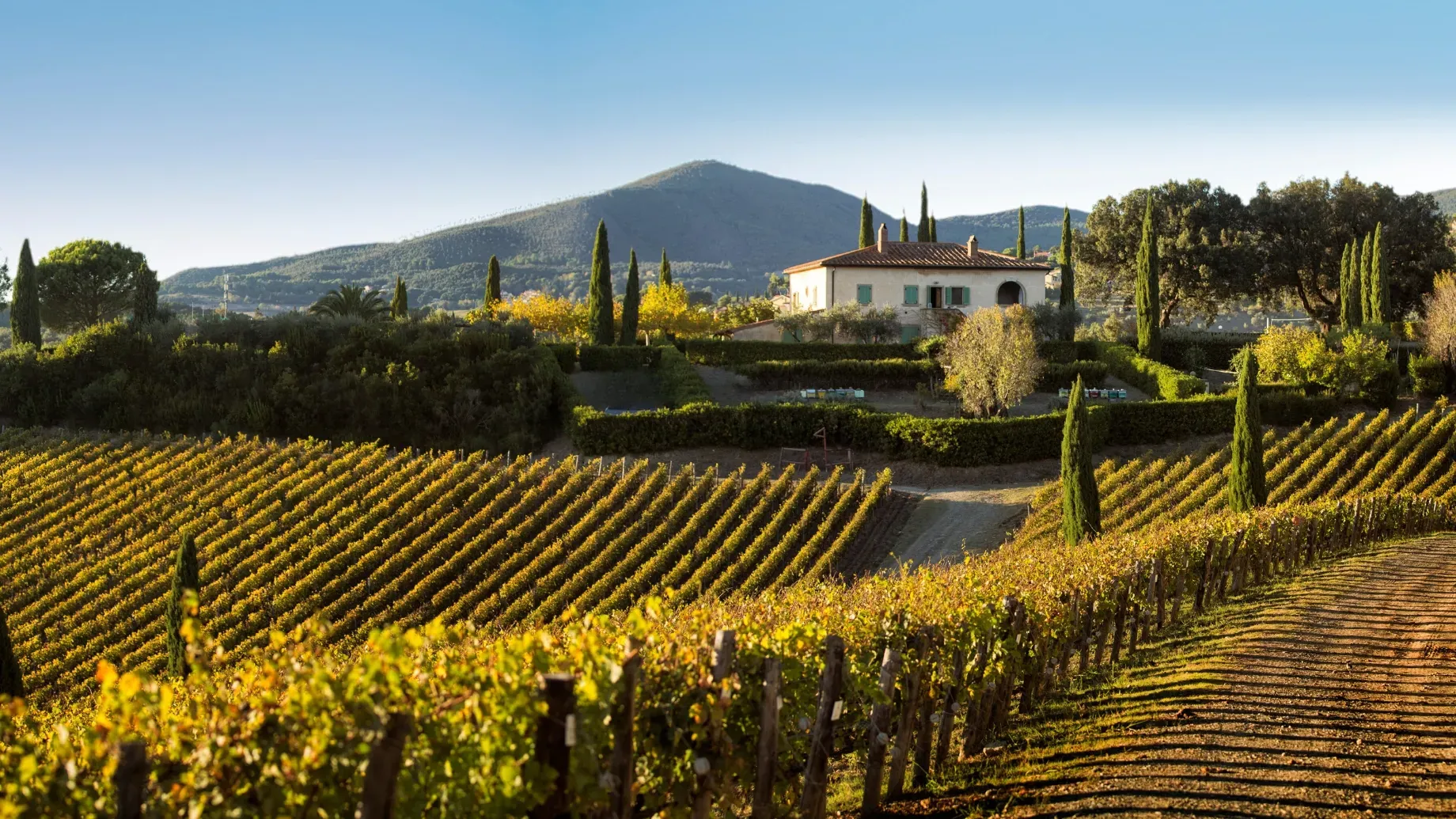
Caiarossa
Founded in 1998 by the Belgian Jan Theys in the Serra all’Olio district, it was bought in 2004 by the Dutchman Eric Albada Jelgersma — owner of the Grands Crus Classés Château Giscours and du Tertre in Margaux. Today it is run by his children Dennis, Derk and Valérie. One hundred hectares, 40 of them under vine, organic since 2003 and Demeter-certified biodynamic since 2005. The red winery building, designed on Feng Shui principles, is worth the visit in itself.
Discover the winery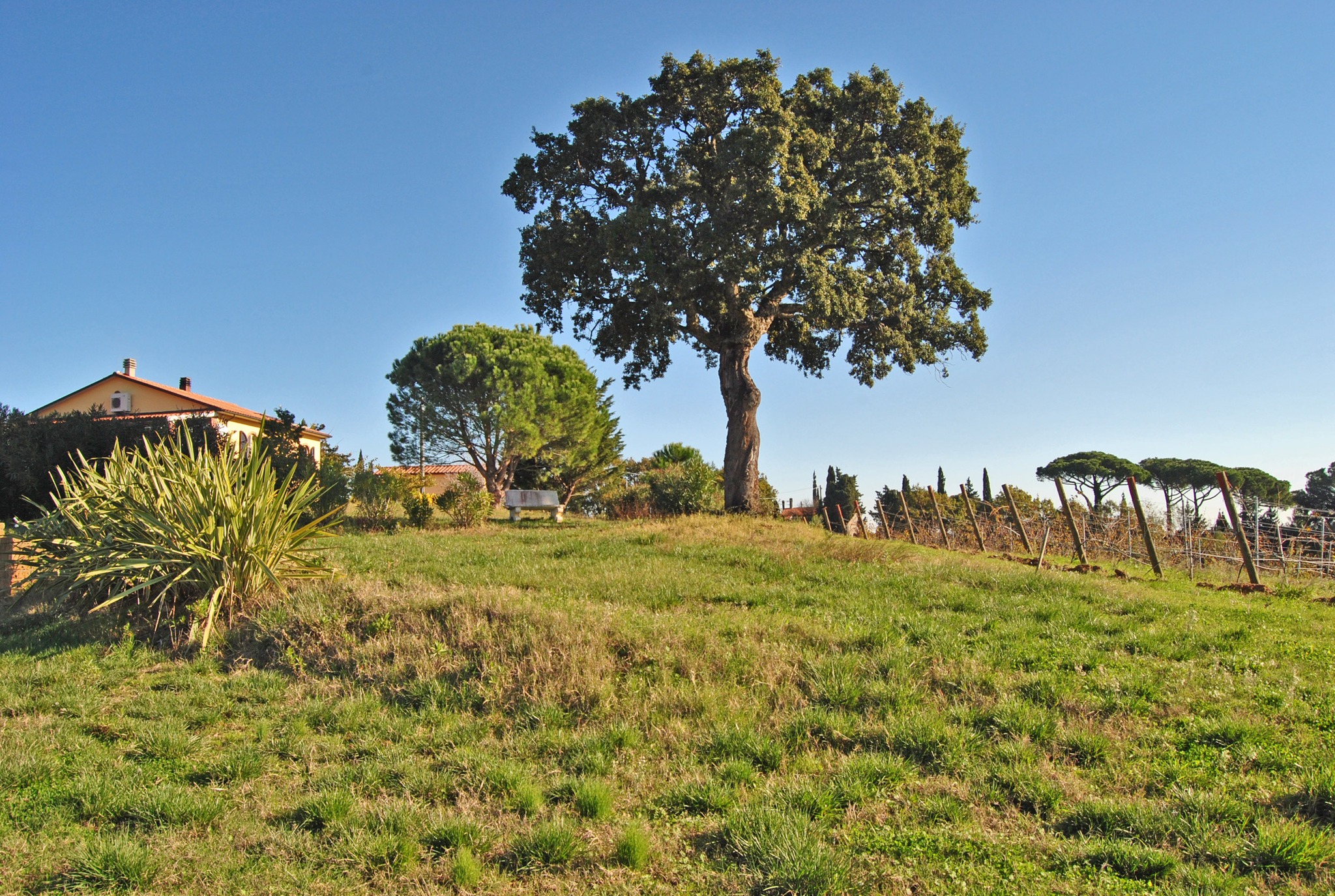
Quercialuce
Wholly natural wines, going well beyond organic rules. No chemicals, spontaneous fermentation with the cellar’s own yeasts, minimal intervention. A 70/30 blend of Sangiovese and Syrah, and a traditional-method sparkling wine — the Petit Fleuri — made in an area with no sparkling wine tradition. Wine as a direct expression of the Riparbella terroir.
Discover the winery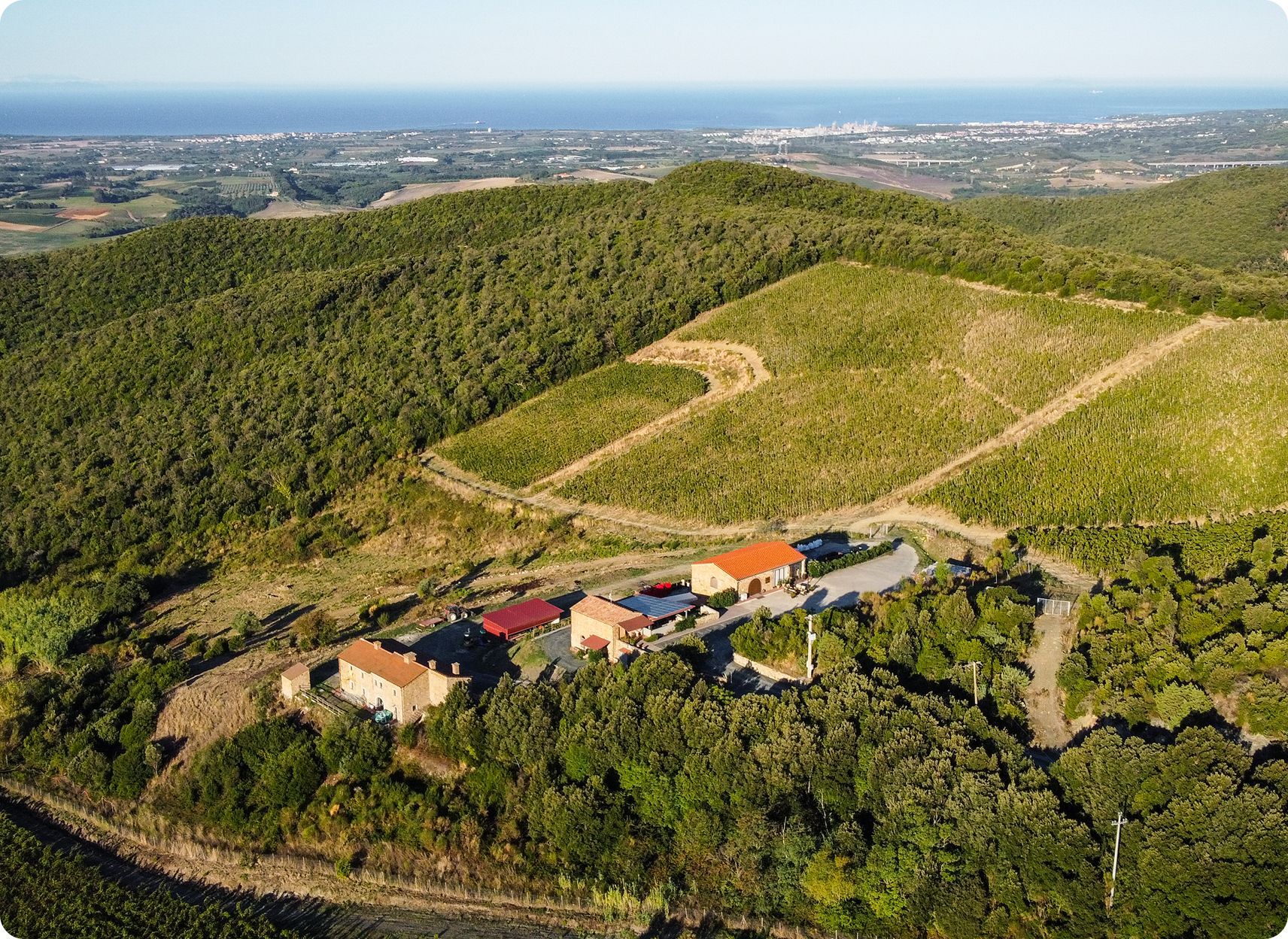
Duemani
Literally “two hands”: Elena Celli and Luca D’Attoma, the cult oenologist, founded the estate in 2000 between Riparbella and Castellina Marittima. Thirteen Demeter-certified biodynamic hectares, 60,000 bottles a year. In 2023 the estate passed to the Tenute del Leone Alato group (Generali), with D’Attoma staying on as consultant oenologist. The “Duemani” Cabernet Franc and the “Suisassi” Syrah are among the most awarded biodynamic wines in Italy.
Discover the winery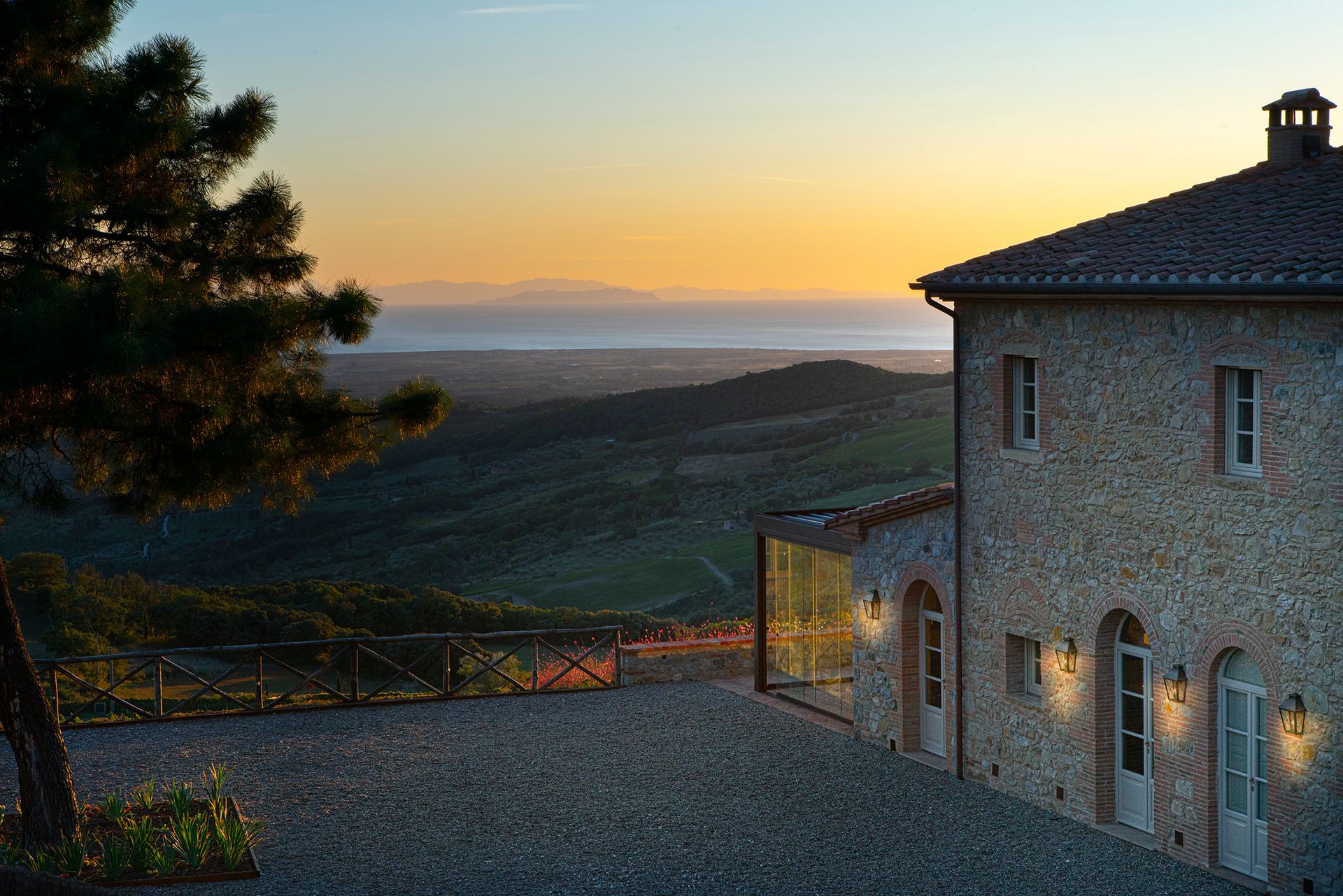
Tenuta Prima Pietra
The highest vineyard on the Tuscan coast, at 450 metres above sea level, on the southern slopes of the Poggio di Nocola. Bought in 2002 by Massimo and Chiara Ferragamo, it was the “first stone” of their wine project (later joined by Castiglion del Bosco in Montalcino). Two hundred hectares, only 11 of them under vine. A Bordeaux blend: 50% Merlot, 30% Cabernet Sauvignon, 10% Cabernet Franc, 10% Petit Verdot. Oenologist Cecilia Leoneschi.
Discover the winery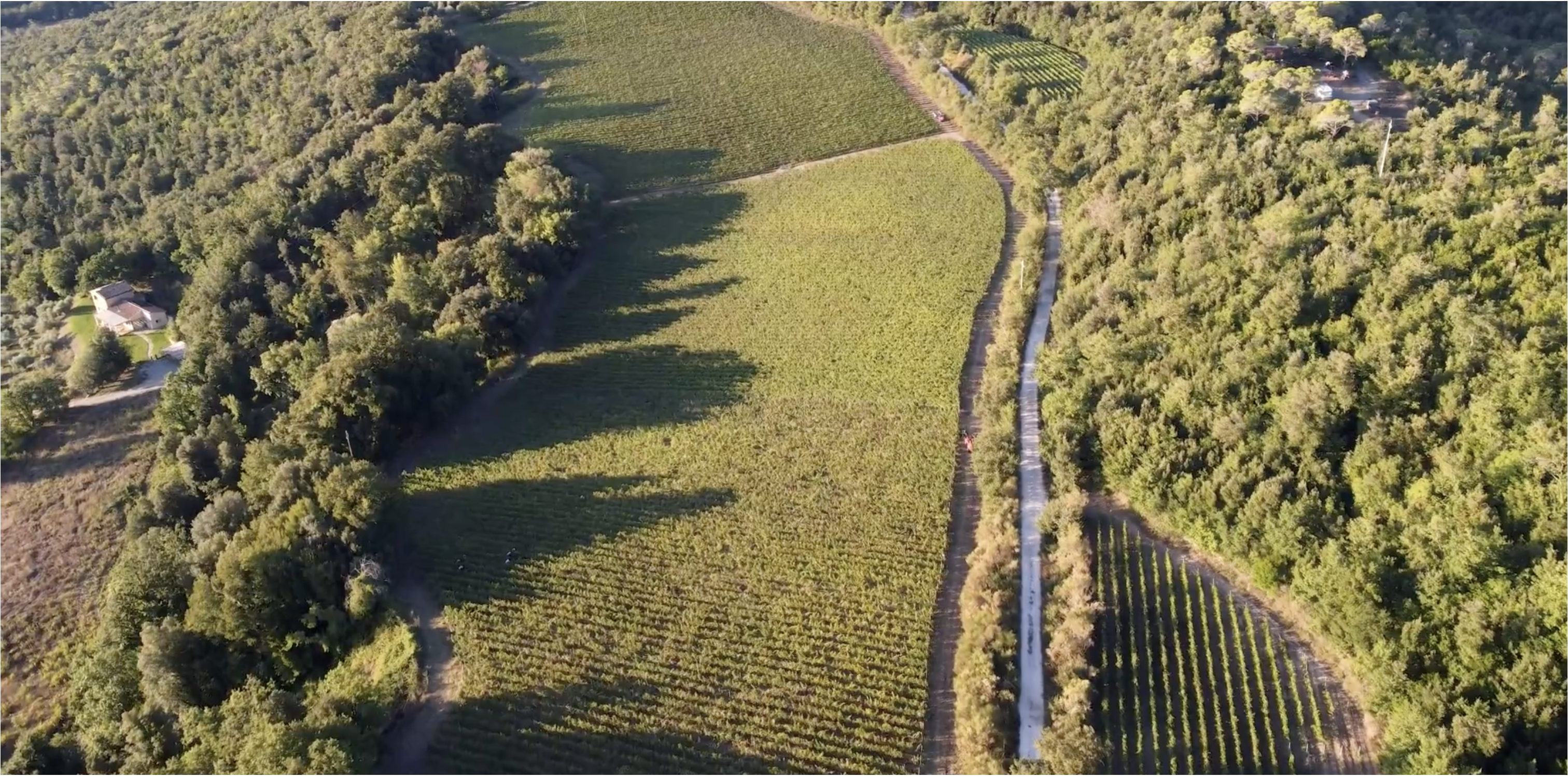
Urlari
The Bordeaux trio — Merlot, Cabernet Sauvignon and Cabernet Franc — interpreted on the hills of Pisa by Roberto Cristoforetti and two foreign partners. Ten and a half hectares of vineyard and around 40,000 bottles a year. The philosophy is “old world meets innovation”: minimal intervention in the cellar, cutting-edge equipment for fermentation and ageing. A new three-storey gravity-flow winery has been going through planning permission for years.
Discover the winery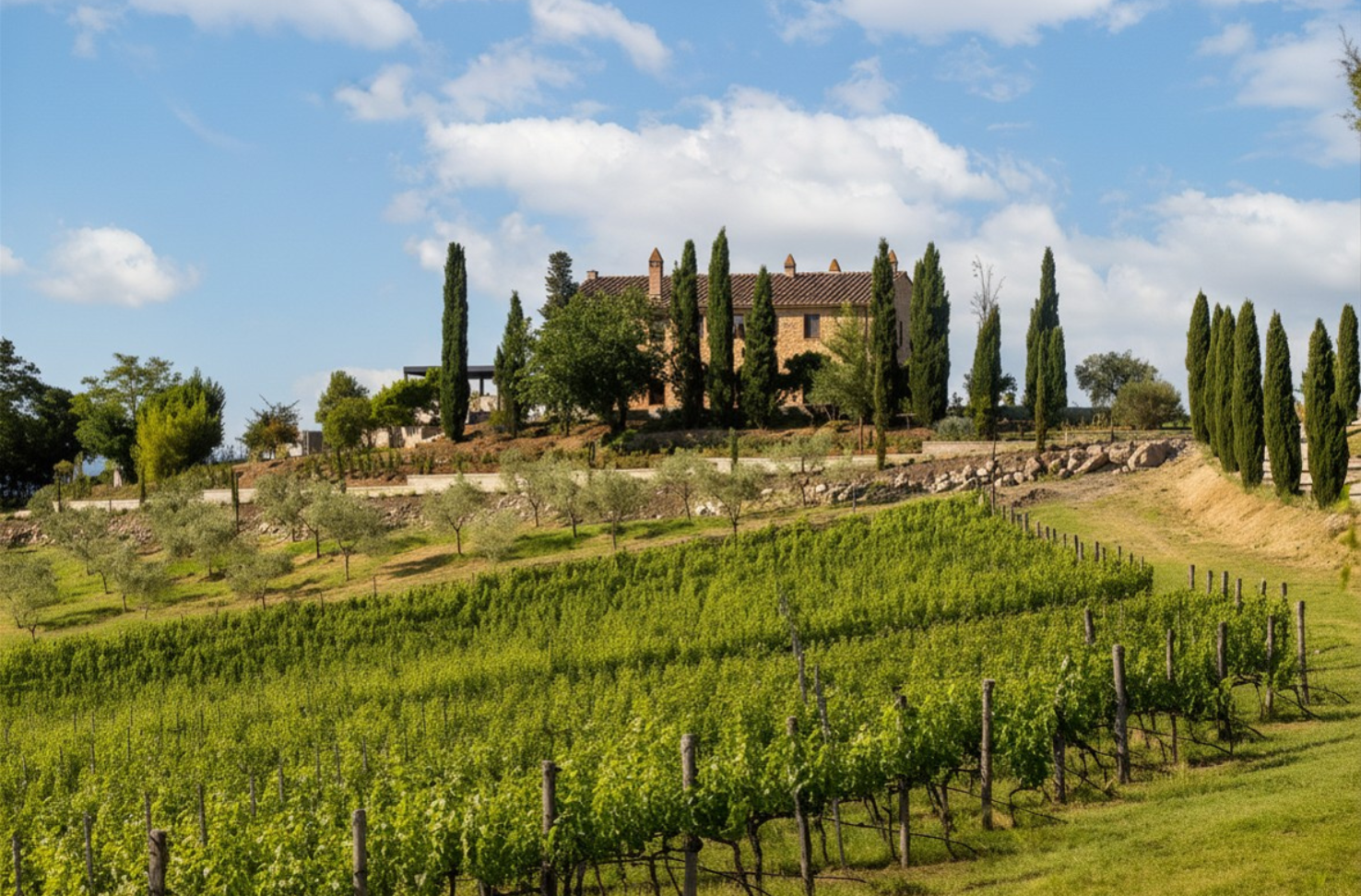
Colline Albelle
The name is a tribute to the etymology of Riparbella — “Ripa Albella”, the white bank — and to the tufa soils of the area. The project was started in 2016 by two Bulgarian producers, Dilyana Vasileva and Irena Gergova, together with the French oenologist Julian Reneaud (formerly of Caiarossa). Eighteen hectares at 350 metres, organic and biodynamic since 2023. Native varieties bottled on their own, never blended: Sangiovese, Ciliegiolo, Canaiolo bianco, Vermentino. Pioneers of low-alcohol wines (their Vermentino is 10%).
Discover the winery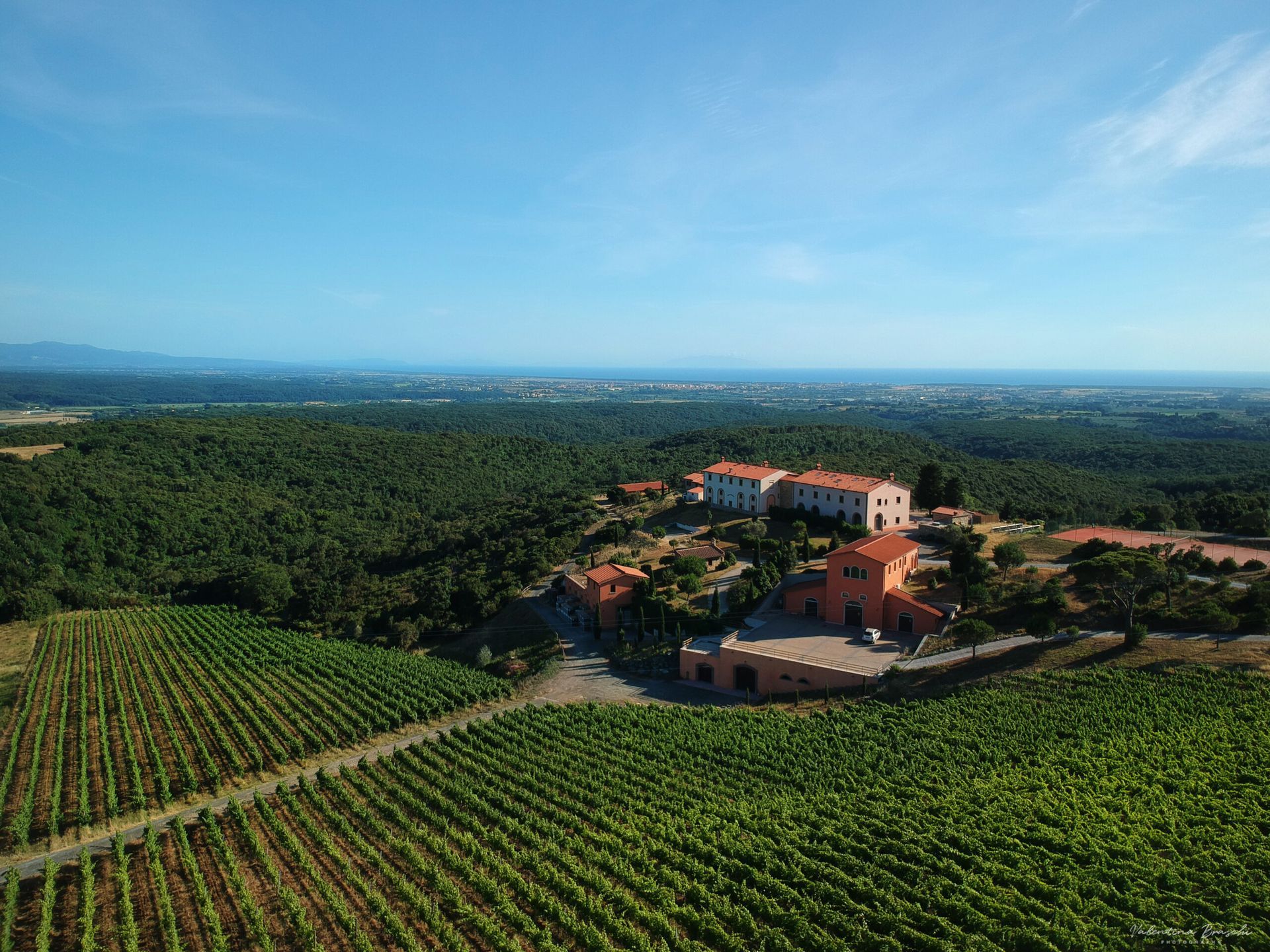
Tenuta Pakravan Papi
The story begins in Florence in 1966: Enzo Papi (from Vada) and Amineh Pakravan (from Iran), students who met among the “Mud Angels” during the flood. They moved to Riparbella, to Ortacavoli, into two 1750 farmhouses that had belonged to the Marquis Carlo Ginori. The first vineyard came in 2000, the church-like winery in 2002. Today there are 22 hectares under vine and 70,000 bottles. Sangiovese piccolo, Bordeaux varieties, Chardonnay, Riesling, Tuscan Malvasia. Oenologist Graziana Grassini. There is a farm stay and restaurant run by Francesca, a former MasterChef contestant.
Discover the winery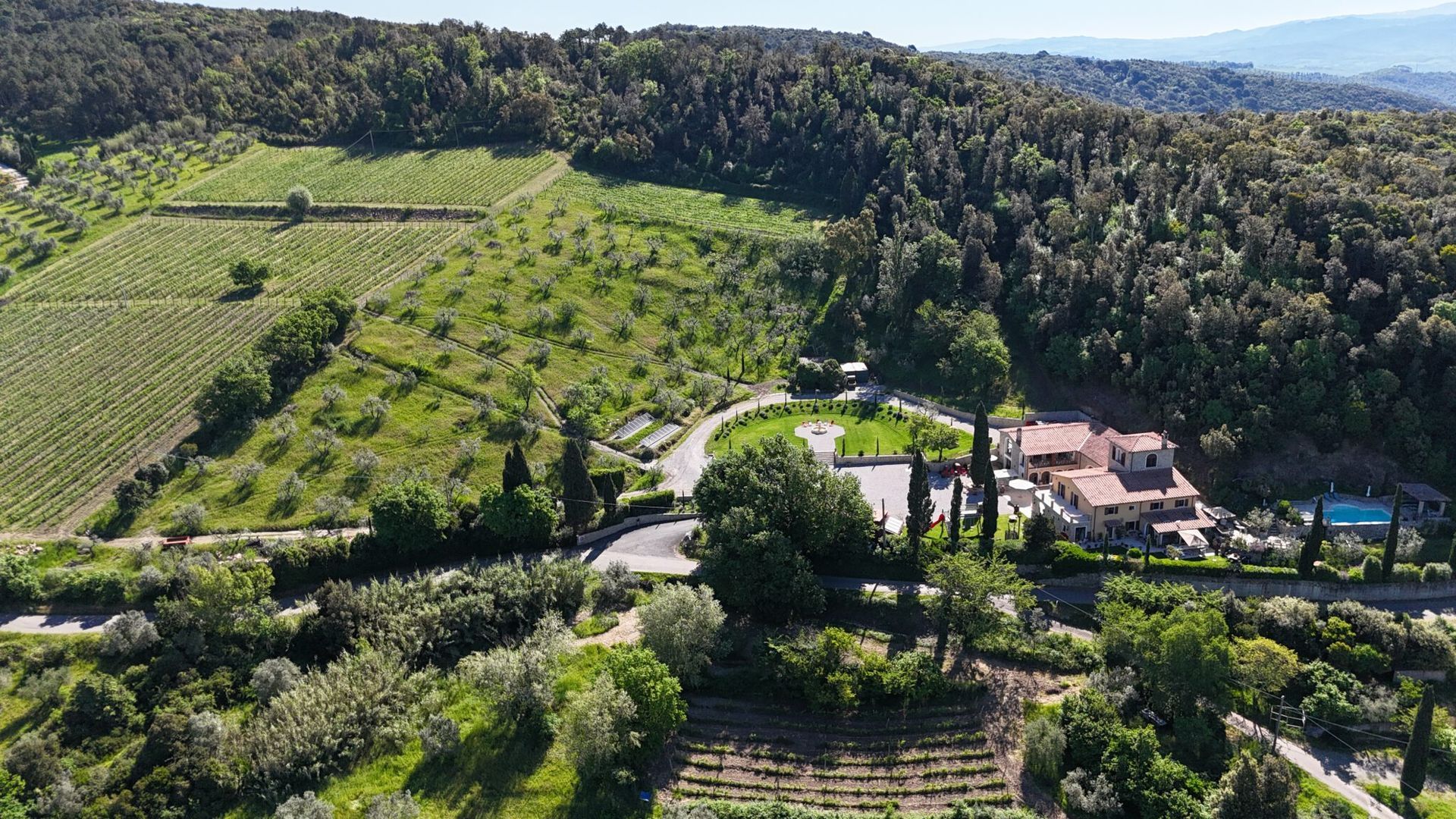
The Cava
A nineteenth-century winery abandoned since 1960, taken in hand again in 2014 by the German Zywietz family and officially reopened in August 2024. Biodynamic and carbon neutral: photovoltaic panels, solar thermal, no chemicals. Sangiovese, Syrah, Cabernet Franc, Cabernet Sauvignon, Vernaccia. More than 600 centuries-old olive trees. In March 2025 Tosja Zywietz also opened the wine shop Ripa Vino in the old town, stocking wines from every winery in the area.
Discover the wineryTerroir.
Not brand.
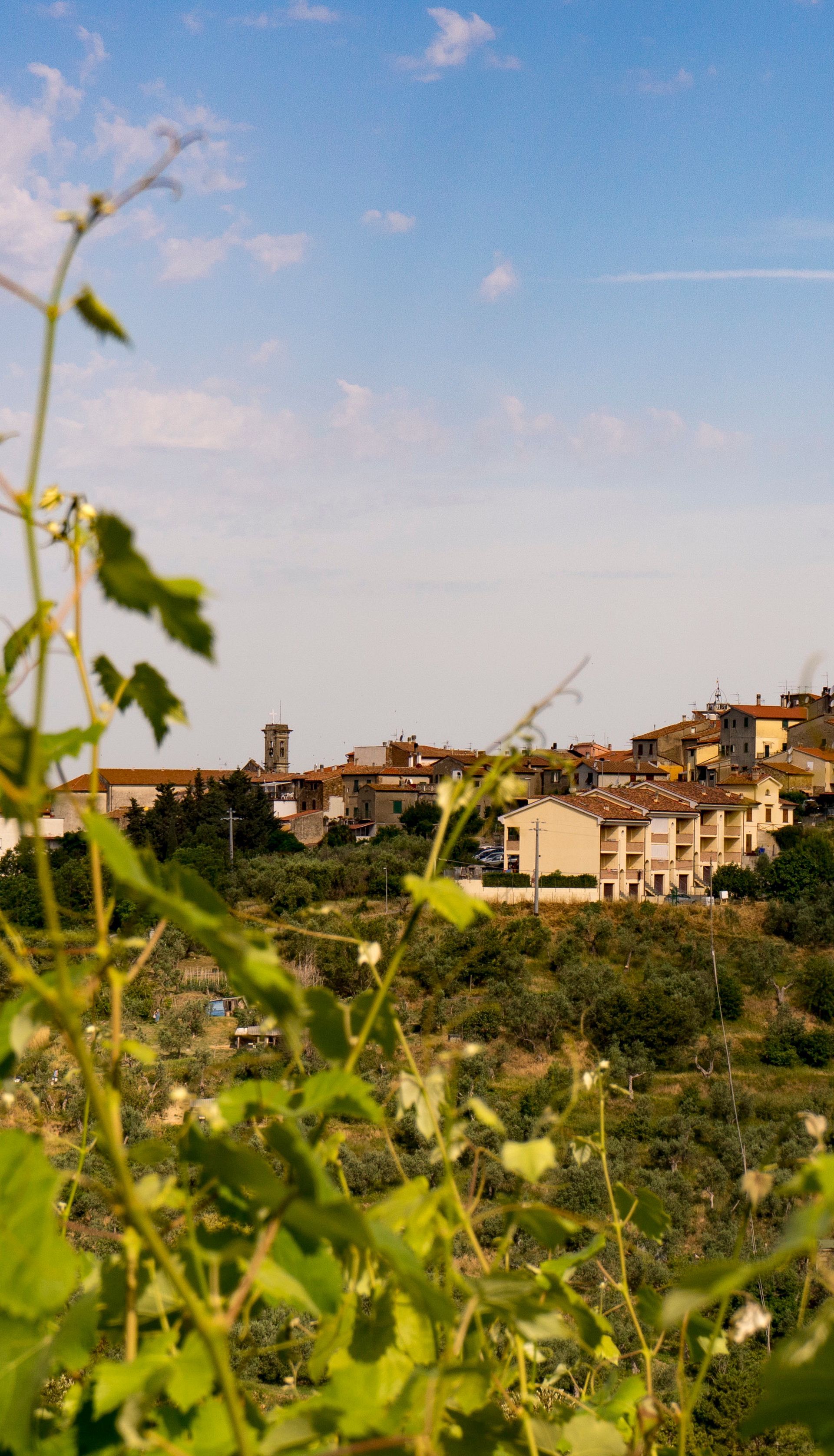
The difference between Riparbella and the areas around it lies in the geology. Four radically different soil types within a few square kilometres, at altitudes from 50 to 450 metres — a heritage that makes it possible to produce wines with distinct characters depending on where the vineyard sits.
Rock of magmatic origin, dry and rich in minerals.
Alluvial “palombini” clays, with rocky skeletons.
Pebbly soils of river origin.
Sands rich in fossil sea shells.
Tresoro
di Riparbella.
Three wineries — Caiarossa , Duemani and Prima Pietra — and a single wine. Cabernet Sauvignon, Cabernet Franc and Merlot vinified separately in cocciopesto amphorae made locally by Drunk Turtle, then aged in French oak barriques and blended. Around two thousand bottles a year, with a label by the Livorno painter Mario Madiai. A wine manifesto for the area, presented for the first time at the Merano Wine Festival 2019.
Read the storyAlways by appointment.
Book directly
Each winery handles its own visits and tastings. On each one’s page you will find the contact details and the booking form — visits are usually by appointment, out of season too.
During Ripawine
In July ( 10–12 July 2026 ) the wineries of the area bring their wines to the squares of the town for the Ripawine festival. It is the easiest way to taste 30+ different labels over three evenings.
The artistic wine trail
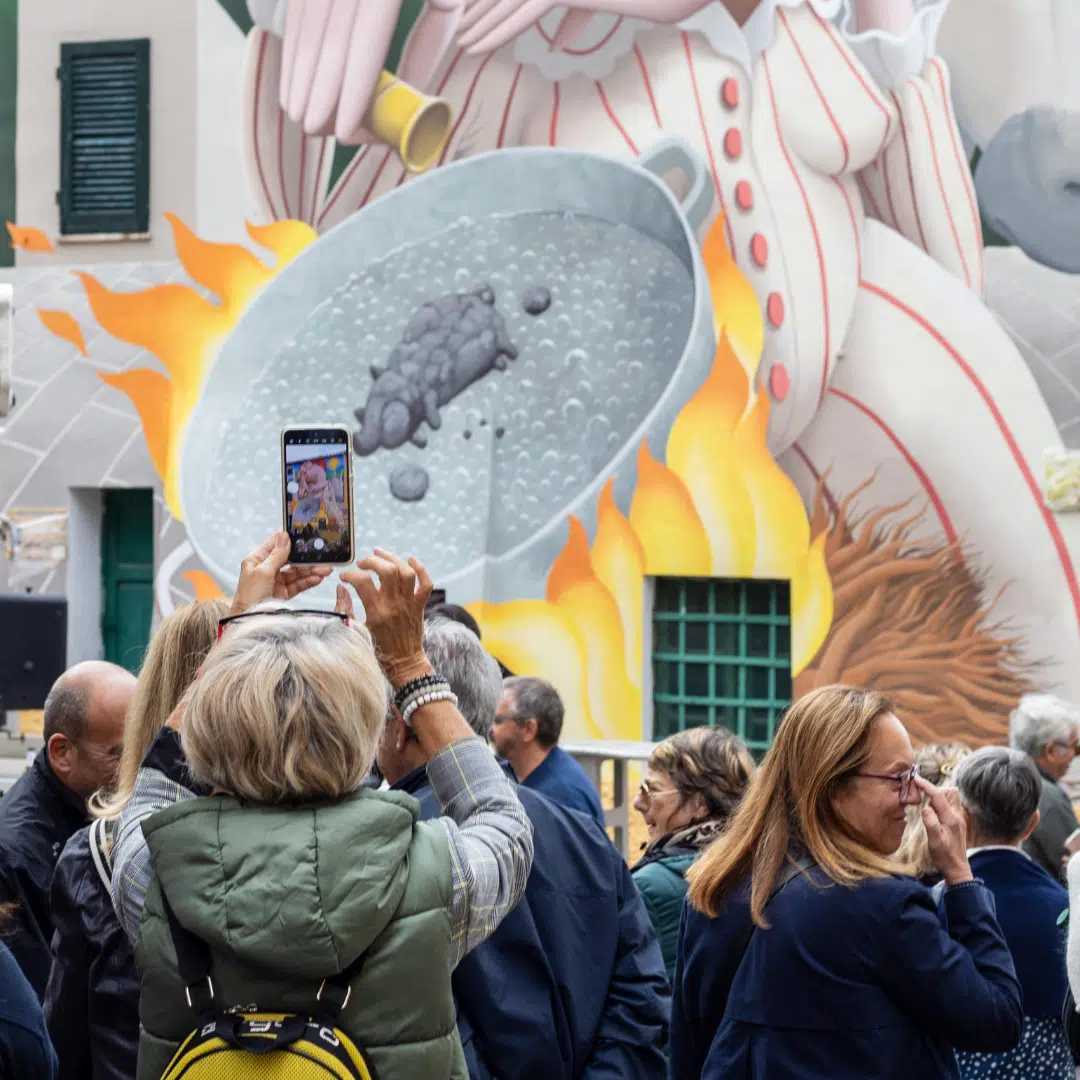
During La Collina delle Fiabe (26–27 September 2026), a route weaving the wineries together with contemporary art installations. Shuttle service from the centre, by booking.